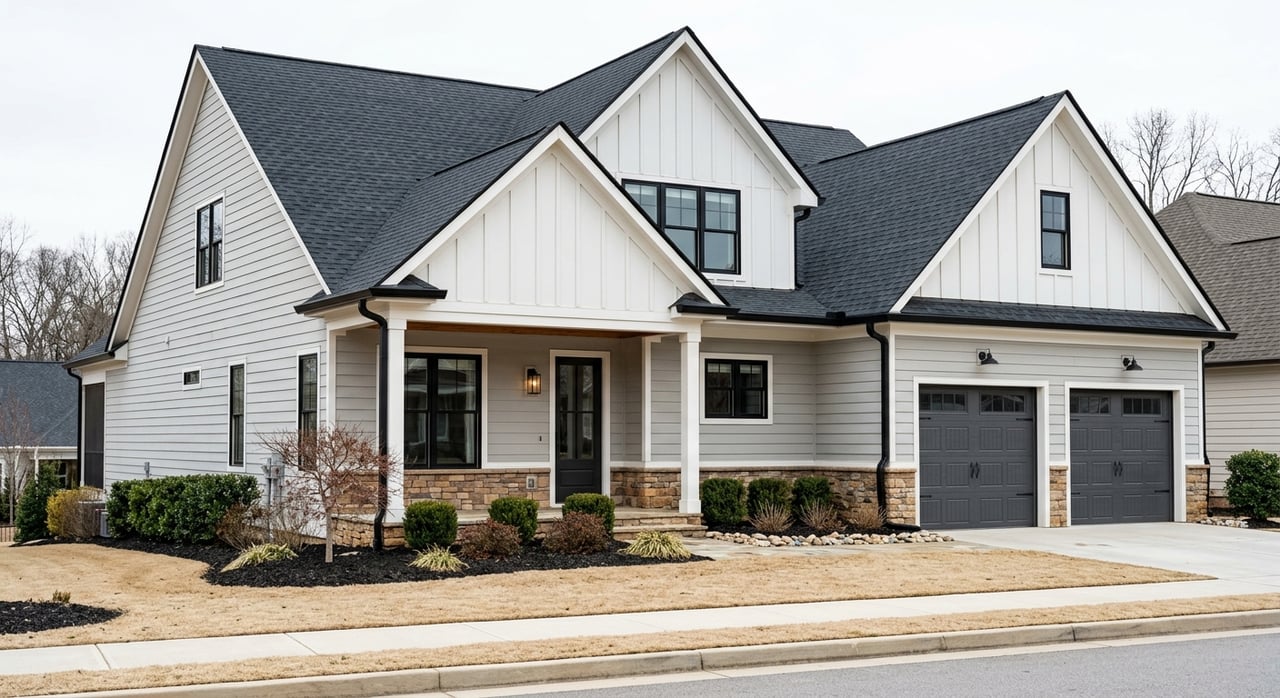
Looking at new home communities in Dallas, GA and wondering if brand-new construction is the right move for you? You are not alone. Many buyers are drawn to fresh finishes, modern floor plans, and community amenities, but the details behind the price tag matter just as much as the model home. This guide will help you understand what to expect in Dallas and Paulding County, what questions to ask, and how to compare your options with more confidence. Let’s dive in.
Dallas New Construction Snapshot
Dallas and the surrounding Paulding County area continue to grow, and that growth is shaping the local housing market. Paulding County’s comprehensive plan projects another 100,935 residents between 2015 and 2050, with most new housing expected to be single-family.
For you as a buyer, that means new construction is a major part of the local inventory story. It also means not every “Dallas” community works the same way, because some neighborhoods are inside the City of Dallas while others are in unincorporated Paulding County.
That distinction matters more than many buyers expect. Your exact address can affect permitting offices, zoning standards, and utility rules, so it is smart to verify the location early instead of assuming all Dallas-area communities follow the same process.
What New Communities Usually Offer
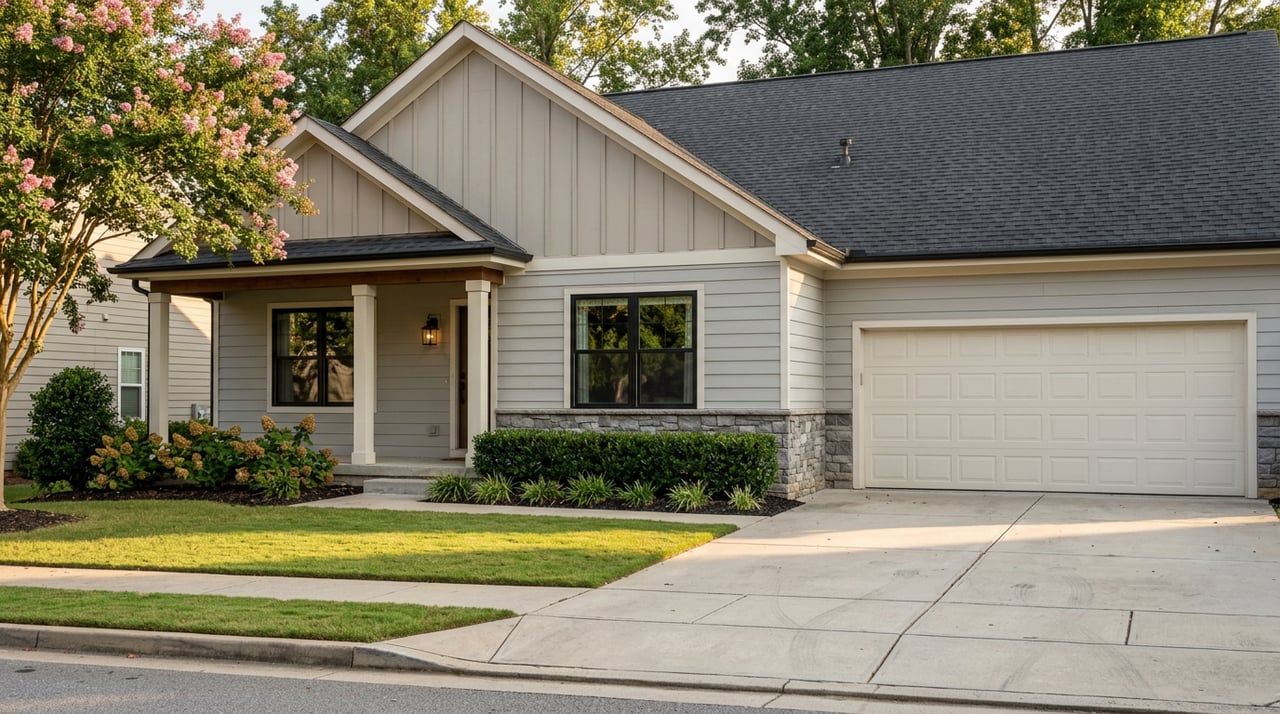
Most newer home communities in Dallas follow a similar pattern. You will often find production-builder neighborhoods with open floor plans, ranch and two-story options, and amenity packages that can be more extensive than what older subdivisions offer.
In the current examples reviewed, home sizes range from about 1,600 square feet to more than 3,300 square feet. Asking prices range from the high $300s to the $600s, depending on the builder, section, floor plan, and amenities.
In practical terms, many buyers are choosing between layout, lot setup, and community features rather than just square footage. A newer home may give you updated finishes and shared amenities, but it may also come with a smaller lot and more HOA structure than an older resale home.
Dallas-Area Community Examples
Several current communities help show what buyers can expect in this market. Each one has its own personality, but the broader themes are consistent.
Woodland Creek
Woodland Creek is described by Lennar as a coming-soon master-planned community with four home collections. Planned amenities include a clubhouse, swimming pool, park, playground, dog parks, and fire pits, with some features scheduled in phases.
The City of Dallas zoning resolution tied to the project gives buyers a useful look behind the marketing. It requires mandatory HOA membership, minimum lot sizes of 4,200 square feet, lot widths from 40 to 60 feet, at least 30 feet of public road frontage, and a 20-foot planted or natural buffer around the site. The same approval also requires no vinyl exterior materials.
Hawthorne Reserve
Hawthorne Reserve currently lists single-family homes starting from $399,990 with five floor plans. Community features highlighted by the builder include quartz countertops, tile-walled primary showers, stainless-steel appliances, smart-home technology, a playground, grilling pavilion, fire pit, restrooms, and a mail kiosk.
If you are comparing several neighborhoods at once, this is a good example of how builders package interior upgrades and small common-area amenities together. The base price is only one part of the picture.
Tributary
Tributary is another Dallas community currently starting in the $400s. Floor plans include both ranch-style and two-story options, and the amenity package includes an Olympic-size pool, clubhouse, playground, tennis courts, and pickleball courts.
For buyers who want neighborhood amenities close to home, communities like this can be appealing. Still, it is worth confirming which amenities are fully complete now and which may be delivered later.
Riverwood
Riverwood currently shows homes from the $480s to the $510s, with examples around 2,515 square feet. The community page describes a resort-style pool, clubhouse with a gym, basketball, tennis, and pickleball courts, playgrounds, and some plans with finished basement options or main-level owner suites.
This is the kind of community that may appeal to buyers who want more space and more recreation options in one neighborhood. If that is your priority, compare not just the floor plan but also how the lot and monthly HOA structure fit your lifestyle.
NatureWalk at Seven Hills
NatureWalk at Seven Hills and Stratford at NatureWalk show how broad the local new-construction market can be. Artisan Built describes this North Paulding master-planned community with a waterpark, Olympic-sized pool, lighted pickleball and tennis courts, trails, playgrounds, sports fields, a dog park, and a clubhouse.
Current available-home examples range from about $399,000 to $649,620. That wide range is a reminder that even within one master-planned setting, price can vary a lot based on product type, size, and section.
Lot Size and HOA Rules Matter
One of the biggest Dallas-area realities is that many newer communities are built around shared amenities and managed design standards rather than large private lots. In other words, new construction here is often more about lot width, setback rules, buffers, and HOA expectations than about acreage.
That can be a good fit if you want a neighborhood feel and lower lot maintenance. It can be less ideal if you are hoping for maximum freedom with parking, exterior changes, or long-term modifications.
Many of these communities use mandatory HOAs, and the rules can be very specific. Local HOA examples show rules involving street parking, approval before exterior changes, mailbox standards, and even trash-can timing.
Some architectural review processes also take time. In Seven Hills, modification guidance notes that homeowners should allow up to 45 days for review, and larger requests may require plats, drawings, material samples, and review fees.
HOA Questions to Ask Before You Buy
Before you move forward on any new home community in Dallas, ask practical HOA questions in writing whenever possible.
- How much are the monthly or annual dues?
- What do the dues cover?
- Are there transfer fees or capital contributions due at closing?
- Are there any special assessments or reserve-funding concerns?
- Are there rental caps or leasing restrictions?
- Which amenities are complete today, and which are still planned?
- What exterior changes require architectural review?
- How long does the approval process usually take?
Georgia’s Attorney General notes that, for associations subject to the Georgia Property Owners’ Association Act or the Georgia Condominium Act, owners have the right to obtain comprehensive reports on association affairs, finances, and budget projects at the annual board meeting. Recorded covenants and bylaws may also provide access to financial records.
City of Dallas or Unincorporated Paulding?
This is one of the most important questions you can ask, especially early in the process. Some communities are inside the City of Dallas, while others are in unincorporated Paulding County.
That affects who handles review and permits. Dallas’s building department issues permits for residential building, electrical, HVAC, plumbing, and pools, while Paulding County’s Building and Permitting Division and Planning and Zoning Division handle county-side review in unincorporated areas.
For you, the takeaway is simple: confirm the exact jurisdiction for the lot you are considering. It can affect timelines, approvals, and what stage of development the community is actually in.
Warranties and Permits Deserve a Close Look
A new home warranty can bring peace of mind, but only if you review it before you sign. Georgia state rules say a licensed residential contractor must offer a written warranty for each covered contract and provide the warranty terms, exclusions, claim procedures, and term before the contract is executed.
That means you should not wait until closing to understand the warranty. Ask for the full written terms early, read the exclusions carefully, and make sure you know how claims are handled.
Permits also deserve attention. Before contract, it is wise to confirm the lot is platted, the needed permits are in place, and any utility, road, sewer, or drainage work tied to the community is moving on schedule.
Smart Questions Before You Sign
When you tour a new home community in Dallas, bring a checklist. The right questions can help you compare communities more clearly and avoid surprises later.
- Is this homesite inside the City of Dallas or in unincorporated Paulding County?
- What is the exact lot size, lot width, setback, and any buffer requirement?
- Which amenities are finished now?
- Which amenities are tied to future phases?
- What written warranty is provided?
- What is the warranty claims process?
- Are preferred-lender incentives attached to the builder’s financing?
- Can you shop lenders freely?
These questions matter because two communities with similar prices can offer very different long-term experiences. What looks like a small detail during a showing can feel much bigger once you move in.
New Build vs Resale in Dallas
If you are deciding between a new build and a resale home in Dallas, focus on the trade-offs that show up most often in this market. In many cases, the biggest differences are lot size, HOA oversight, amenity completion, and phase timing rather than list price alone.
A new build may offer current design trends, fewer immediate repair concerns, and community amenities. A resale home may offer a more established setting, a different lot layout, or fewer community restrictions.
There is no one-size-fits-all answer. The better choice depends on how you value privacy, neighborhood structure, move-in timing, and the details of the contract you are signing.
If you are comparing communities in Dallas, Paulding, or nearby northwest metro Atlanta areas, having a local guide can make the process much easier. For neighborhood insight, contract strategy, and hands-on support from showing to closing, connect with Aretha Langley.
FAQs
What price range do new home communities in Dallas, GA usually fall into?
- Current examples reviewed in the Dallas-area market range from the high $300s to the $600s, depending on the builder, floor plan, section, and amenity package.
What amenities do Dallas, GA new construction communities often include?
- Many newer communities offer amenities such as pools, clubhouses, playgrounds, pickleball or tennis courts, parks, trails, grilling areas, and other shared recreation spaces.
What should buyers know about HOA rules in Dallas, GA new neighborhoods?
- Many new communities have mandatory HOAs, and rules may cover parking, exterior changes, trash-can placement, mailbox standards, fees, and architectural review timelines.
Why does it matter if a home is in the City of Dallas or unincorporated Paulding County?
- The exact jurisdiction can affect permitting offices, zoning standards, utility rules, and development review, so buyers should confirm the address before assuming the process is the same everywhere.
What should buyers review in a Dallas, GA new construction warranty?
- Georgia rules require a written warranty before contract execution, so you should review the warranty term, exclusions, and claims process before signing.
How should buyers compare new build and resale homes in Dallas, GA?
- Compare lot size, HOA oversight, amenity completion, phase timing, and contract details, not just the list price or model-home appearance.