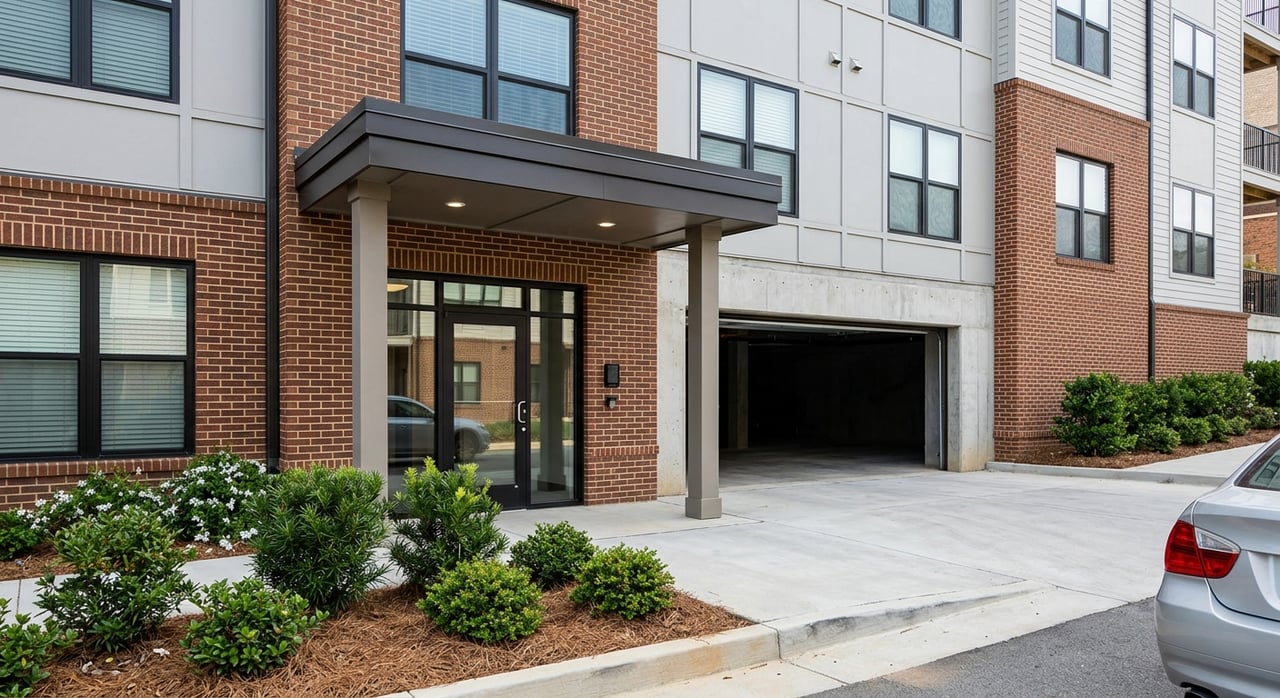
Thinking about buying a Buckhead pied-à-terre? It can be a smart way to have a convenient in-town home, but the details matter more than many buyers expect. From financing and condo rules to parking, insurance, and rental limits, a small second home can come with big questions. Here’s what you should review before you commit so you can buy with clarity and confidence.
Start With Financing Classification
One of the first questions to answer is whether your Buckhead pied-à-terre can be financed as a second home or whether it may be treated as an investment property.
According to Fannie Mae’s occupancy rules, a second home must be occupied by you for some portion of the year, be a one-unit property suitable for year-round use, remain under your exclusive control, and cannot be a rental property or timeshare. It also cannot be subject to a management agreement that controls occupancy.
That matters because some buildings have rental pools, condo-hotel features, or mandatory management programs. In those cases, the property may not fit second-home guidelines, which can affect pricing, underwriting, and your loan options.
Why Building Operations Matter
A pied-à-terre purchase is not just about the unit itself. The way the building is set up can change how your lender views the property.
If the building allows or requires arrangements that look more like hospitality or investment use, your lender may not classify the home as a second residence. That is why it helps to talk with your lender early, before you get too far into the process.
Review Condo Documents Carefully
In Georgia, many of the practical questions that come with condo ownership are answered in the condominium instruments. Under Georgia condominium law, responsibility for common elements, limited common elements, and the unit itself depends on those documents.
This is especially important for features many buyers care about in a Buckhead pied-à-terre, such as parking spaces, storage, terraces, or balcony rights. These details can vary by building and unit, so you should never assume the listing tells the full story.
What to Verify in the Disclosure Packet
Georgia law requires a meaningful set of documents for condo buyers. Under O.C.G.A. § 44-3-111, buyers must receive items such as:
- Floor plan
- Declaration and amendments
- Bylaws and amendments
- Management contracts longer than one year
- Condo budget
- Leases for recreational or other commonly used facilities
The same law also gives you at least seven days after receiving those materials to void the contract, and that right cannot be waived.
That review window is valuable because it gives you time to confirm issues that can directly affect day-to-day use, including:
- Assigned parking and guest parking
- Storage rights
- Move-in and elevator rules
- Amenity access fees
- Pet rules
- Renovation approval requirements
- Leasing or subletting restrictions
Understand Short-Term Rental Limits
If you want occasional rental flexibility, do not assume a Buckhead pied-à-terre can be used as a short-term rental.
The City of Atlanta’s short-term rental rules define a short-term rental as lodging for 30 consecutive days or less. The city requires a short-term rental license, and the license number must appear in advertisements.
The bigger issue for many second-home buyers is that Atlanta’s framework is tied to a primary residence. Under the current ordinance, an owner or long-term tenant can obtain a license for a primary residence and one additional dwelling unit, but if someone has two properties in the city and wants to rent one or both as short-term rentals, one must be registered as a primary residence.
Condo Rules Still Come First
Even if a city rule appears to allow a certain use, the condo declaration and bylaws may still restrict it. That means the building’s governing documents need to be checked before you rely on any rental plan.
For many pied-à-terre buyers, the safest approach is to treat short-term rental income as a question mark until both the city rules and the building rules are confirmed.
Budget for Full Carrying Costs
A Buckhead pied-à-terre may be compact, but the carrying costs can still be significant. Looking beyond the list price helps you avoid surprises.
For property taxes, Fulton County says homestead exemptions apply to owner-occupied primary residences. A true second home generally will not receive that exemption, so your budget should be based on full property taxes.
You should also plan for other ongoing expenses, such as:
- HOA or condo assessments
- Reserve funding
- Utilities
- Insurance
- Parking or storage charges if billed separately
- Amenity or facility fees
- Possible special assessments
Georgia legislative text for condominium associations contemplates reserve accounts for deferred maintenance, depreciation, and other reserves. That does not mean every building is funded the same way, which is why the budget and related documents deserve close review.
Clarify Insurance Responsibilities
Insurance is another area where condo buyers often assume too much. In Georgia, the association is generally required to carry property insurance covering buildings and structures, including common elements, limited common elements, and certain unit components.
Under Georgia’s condominium insurance statute, association coverage can include items such as HVAC, drywall, floors, coverings, plumbing and electrical fixtures, built-in cabinetry, and some appliances. The association may also carry liability coverage for claims related to common elements.
Ask Where the Gaps Are
Even with a master policy in place, you may still need your own coverage for upgrades, deductibles, personal property, or other gaps. That is why it helps to request the insurance summary and review it with your insurance provider before closing.
For a pied-à-terre, this step matters because the home may not be occupied full-time, and you want to know exactly where the association’s policy ends and your responsibility begins.
Focus on Parking, Access, and Ease of Use
With a second home, convenience is often the whole point. That makes practical building details just as important as finishes or views.
Parking should be verified in writing, especially if the listing mentions assigned spaces, valet, or guest parking. Under Georgia law, limited common elements like parking can depend on the condominium instruments, so it is wise to confirm exactly what transfers with the unit.
You should also ask about move-in procedures, elevator reservations, delivery access, storage, and any rules that may affect how easily you can use the property when you are in town. A well-located unit is only part of the equation if the building’s day-to-day logistics do not match your needs.
Build the Right Team Early
Because financing, taxes, insurance, and condo governance all intersect in a pied-à-terre purchase, early coordination can save time and stress. Fannie Mae’s second-home rules make it clear that ownership structure and actual use matter, especially if leasing, rental pools, or management agreements are involved.
A careful review with your lender, closing attorney, and tax adviser can help you understand how the unit may be classified and what that means for your budget and plans. The earlier you sort through those questions, the easier it is to target properties that truly fit your goals.
If you’re weighing a Buckhead condo or second-home purchase and want a local, hands-on guide through the details, connect with Aretha Langley. You’ll get practical support, responsive communication, and a smoother path from search to closing.
FAQs
What makes a Buckhead pied-à-terre qualify as a second home?
- Under Fannie Mae’s rules, it generally must be a one-unit property suitable for year-round use, occupied by you for part of the year, under your exclusive control, and not operated as a rental property, timeshare, or management-controlled unit.
What condo documents should you review before buying a Buckhead pied-à-terre?
- Under Georgia law, you should review the floor plan, declaration, bylaws, amendments, certain management contracts, the condo budget, and any leases tied to commonly used facilities.
Can you use a Buckhead pied-à-terre as a short-term rental?
- Not automatically. Atlanta’s short-term rental rules tie licensing to a primary residence framework, and the condo declaration or bylaws may impose additional restrictions.
Do second homes in Buckhead get a homestead tax exemption?
- In most cases, no. Fulton County states that homestead exemptions apply to owner-occupied primary residences, so a true second home should generally be budgeted with full property taxes.
What should you confirm about parking in a Buckhead condo building?
- You should confirm whether parking is assigned, deeded, limited common element access, or subject to separate rules, because Georgia condominium law ties those rights to the condominium instruments rather than assumptions from the listing alone.