If your job no longer decides where you have to live every day, your home search probably looks different too. Many Atlanta-area buyers are weighing space, privacy, outdoor living, and flexible layouts more heavily than they did a few years ago, especially when home and work now share the same address. If you are buying or selling in Atlanta, understanding these shifting priorities can help you make smarter decisions in today’s market. Let’s dive in.
Remote Work Changed the Search Map
Remote work has not disappeared, but it has changed how many buyers think about location. According to the National Association of Realtors 2024 Migration Trends report, 43% of recent clients said job location did not play a role in their move because they continued to work remotely. Only 2% said they moved because of a return-to-office requirement.
That does not mean commute time is irrelevant. The U.S. Census Bureau reports that Atlanta city’s mean travel time to work was 26.5 minutes, while Fulton County’s was 27.7 minutes. For buyers who go in a few days a week, the commute still matters, but it is now one factor in a bigger lifestyle equation.
That shift helps explain why more buyers are open to trading some commute convenience for better space or a better fit. NAR’s 2024 Profile of Home Buyers and Sellers highlights show that buyers most often purchase in the suburbs or small towns, while convenience to one’s job has become less central than it was a decade ago.
Atlanta Buyers Want More From Home
When work, rest, and daily life happen under one roof, buyers tend to look beyond bedroom count alone. They want a home that supports video calls, focus time, storage, and a way to step outside and recharge.
According to Zillow’s 2024 buyer housing trends report, 70% of buyers rated private outdoor space as very or extremely important, 69% cared strongly about layout, and 70% prioritized size or square footage. Storage and garage or off-street parking were also important to 65% of buyers.
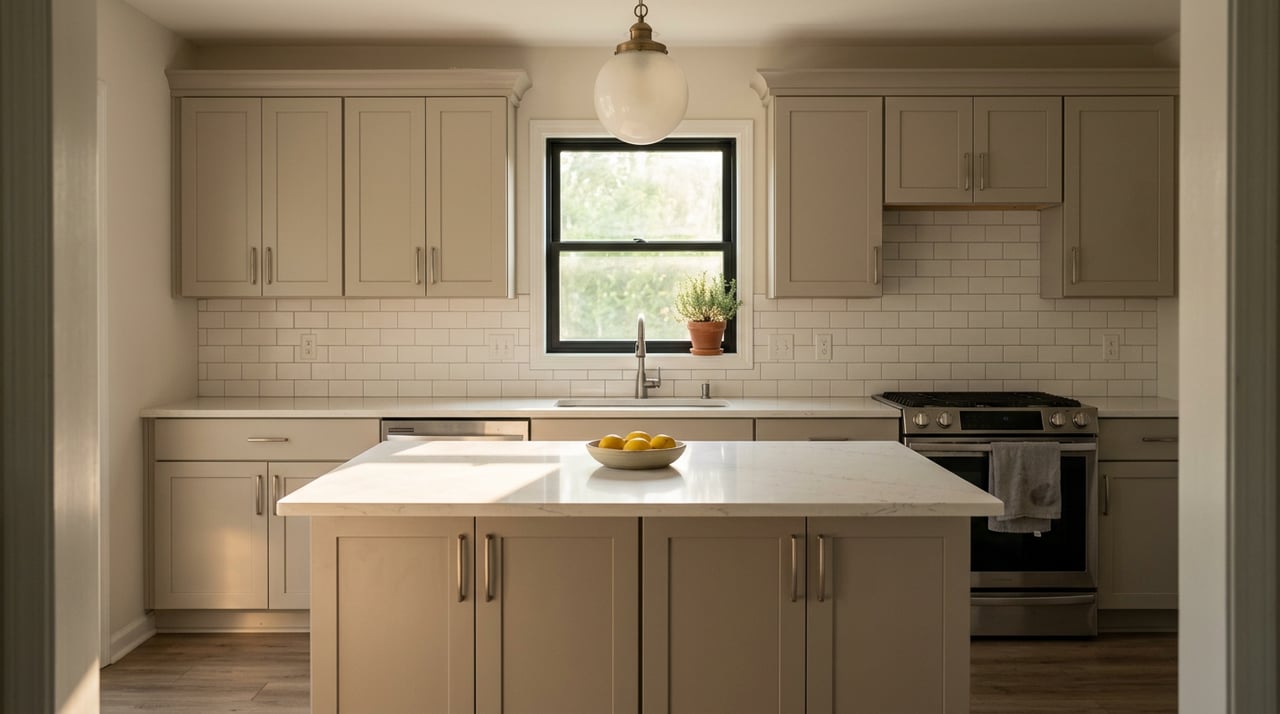
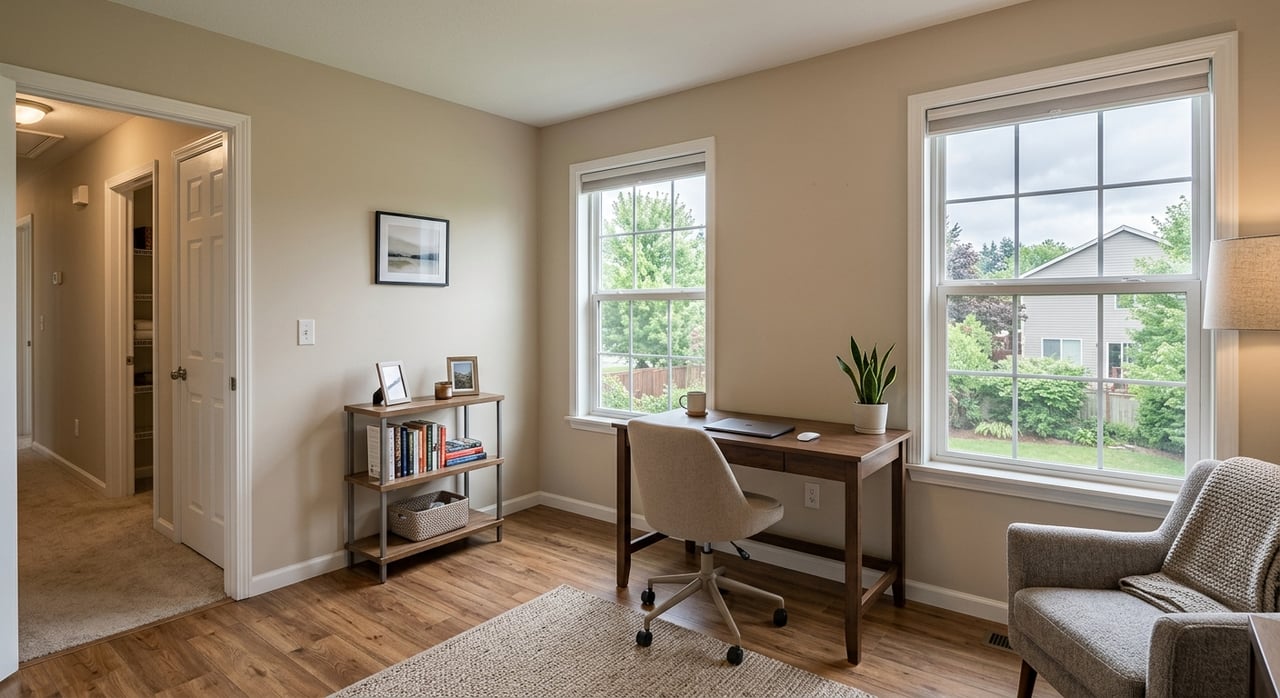
That makes sense in a market where a spare room may need to serve several purposes. A guest room, office, study area, or workout room can all add practical value when your home has to do more.
Layout Matters More Than Ever
Open concept living is still popular, but it is no longer the automatic winner for every buyer. As more people work from home or follow hybrid schedules, privacy and separation have become more valuable.
NAR’s commentary on floor plan trends notes that working from home and privacy concerns are pushing some buyers to reconsider fully open layouts. Separate rooms can make it easier to take calls, manage noise, and keep work from taking over the main living space.
The National Association of Home Builders also found in its What Home Buyers Really Want study that a home office remains one of the top specialty rooms buyers want. More than 70% of buyers who want a home office or exercise room prefer that room to be at least 100 square feet.
For Atlanta buyers, that can shift the conversation from “How many bedrooms?” to “How flexible is this floor plan?” A defined office, loft, bonus room, or quiet corner with a door may now stand out more than a large but less functional open area.
Outdoor Space Is a Bigger Priority
Remote and hybrid work have also increased the value of outdoor living. When you spend more time at home, a patio, porch, deck, or yard can feel less like a bonus and more like part of your daily routine.
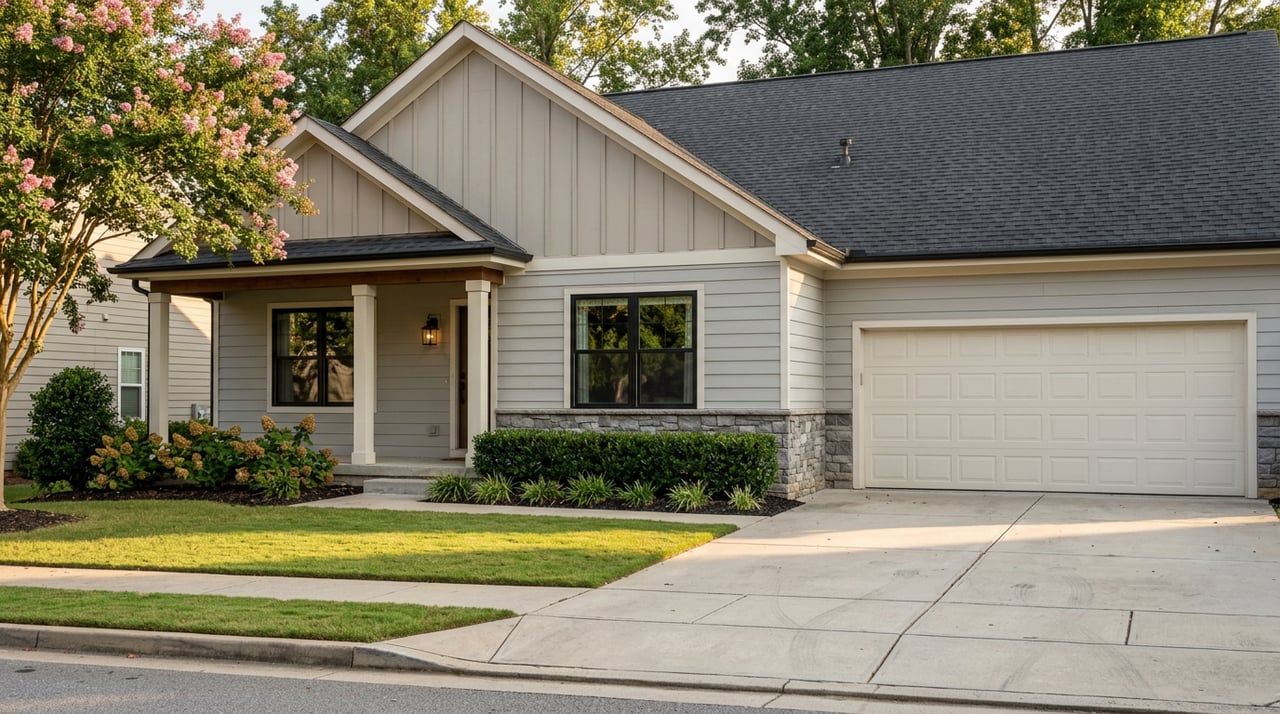
In NAR’s migration data, 42% of buyers said outdoor space was a top reason for choosing a specific home. NAHB’s buyer preference study also found strong demand for features such as exterior lighting, patios, front porches, rear porches, and decks.
In practical terms, this means buyers are often looking for homes that answer two questions clearly: where will I work, and where will I unwind? A house that can do both may feel more compelling than one that simply offers more square footage.
Atlanta Neighborhood Patterns Reflect the Shift
Atlanta is a great example of how remote work has expanded buyer priorities rather than erased them. Some buyers want more room and quieter surroundings. Others still want walkability, transit access, and easy access to parks, dining, or daily errands.
That is why different parts of the city can appeal to different versions of the remote-work lifestyle.
Midtown Supports Hybrid Convenience
Midtown offers a strong example of an intown area that fits hybrid work patterns. Discover Atlanta describes it as highly walkable, with Piedmont Park providing more than 200 acres of greenspace and connections to the 22-mile Atlanta BeltLine. MARTA access also helps buyers who want flexibility for office days without relying on a full daily drive.
Atlantic Station Blends Access and Amenities
Atlantic Station shows the appeal of a live-work-play setting. Discover Atlanta describes it as a walkable neighborhood with shopping, dining, and entertainment, along with convenient access to the nearby Arts Center MARTA Station. For some buyers, that kind of setup supports both daily convenience and a more flexible routine.
Buckhead Offers Trails and Transit
Buckhead can also fit the new search pattern for buyers who want outdoor access and mobility options. PATH400 is a 5.2-mile multiuse trail that connects homes, parks, and retail destinations through Buckhead, while nearby MARTA rail stations add another layer of accessibility.
BeltLine-Connected Areas Stay Relevant
The Eastside Trail of the Atlanta BeltLine is another example of the lifestyle many buyers still want. The trail runs 3 miles from Piedmont Park to Reynoldstown and connects a range of dining and market destinations. For buyers who may commute less often, neighborhood experience can carry more weight in the home search.
What This Means for Buyers in Atlanta
If you are shopping for a home in Atlanta, remote work may give you more freedom, but it also asks you to be more intentional. Instead of focusing only on distance to the office, it helps to think about how the home will function on a Monday morning and a Saturday afternoon.
As you compare properties, consider:
- Whether there is a true office or flex space
- How much privacy the layout offers
- Whether outdoor areas fit your routine
- How often you will still need to commute
- Whether walkability, trails, or transit matter to you
- How storage and parking support your daily life
Atlanta buyers also have more breathing room than they did during the tightest post-pandemic stretch. Metro Atlanta’s February 2026 market brief reported 16,879 active listings and a 3.8-month supply, giving buyers more options to compare space, layout, and location tradeoffs.
What This Means for Sellers in Atlanta
If you are selling, this shift creates an important marketing opportunity. Buyers do not just want to know that a home has three bedrooms and two baths. They want to understand how the space lives.
That means your marketing should highlight features like a dedicated office, a bonus room, a quiet upstairs nook, or a bedroom that can work as flexible space. It should also clearly show patios, porches, decks, fenced yards, or other outdoor areas that support day-to-day living.
Presentation matters here. Zillow’s 2024 survey found that buyers are more likely to view a home when a listing includes a floor plan they like, and many say 3D tours help them better understand the space. For sellers, that makes strong visuals and a clear layout story especially important.
This is where thoughtful listing strategy can make a difference. Instead of marketing only square footage, it often helps to show how the home solves real lifestyle needs, especially for buyers balancing work-from-home flexibility with the realities of Atlanta living.
Why Strategy Matters in a Changing Market
Remote work has not created one single buyer profile. It has created more nuanced decision-making. Some buyers are leaving daily commute pressure behind and prioritizing space. Others still want intown energy, transit access, and walkability, but they now expect a home to support work as well as leisure.
That is why buying or selling in this market benefits from local guidance and strong presentation. You need a strategy that matches how people are actually searching today, not how they searched five years ago.
If you are planning a move in Atlanta or the surrounding suburbs, Aretha Langley can help you evaluate what today’s buyers want, position your home effectively, or narrow your search based on the features that matter most to your routine.
FAQs
Does remote work mean commute time no longer matters in Atlanta?
- No. Commute time still matters for many buyers, especially those with hybrid schedules, but it is often balanced against space, layout, outdoor living, and neighborhood fit.
What home features matter most to Atlanta buyers working remotely?
- Dedicated office or flex space, private outdoor space, functional layout, storage, and parking are among the features many buyers now prioritize.
Which Atlanta neighborhoods reflect remote-work home search trends?
- Midtown, Atlantic Station, Buckhead, and BeltLine-connected Eastside areas are useful examples because they combine walkability, transit access, greenspace, and neighborhood amenities.
How should Atlanta sellers market a home for hybrid buyers?
- Sellers should clearly show office-capable rooms, flexible layout options, and outdoor living areas, supported by strong photos, floor plans, and virtual tour tools when available.
Is remote work increasing home values across Atlanta?
- Not automatically. Remote work can increase buyer interest in homes with flexible interiors, outdoor features, and strong location advantages, but it is not a guaranteed pricing rule.