Thinking about your next home in Marietta? The tricky part is not finding options. It is choosing the part of Marietta that actually fits the way you live now and the space you want next. If you are moving up from a starter home, townhome, or smaller lot, comparing Marietta by area can help you focus faster and buy with more confidence. Let’s dive in.
Why Marietta Feels So Different Area to Area
Marietta is not one uniform housing market. It works more like a group of connected submarkets, each with a different feel, housing mix, lot pattern, and level of access to downtown, parks, and commuter routes.
That matters when you are moving up. You may want more square footage, a larger yard, a different home style, or easier daily routines. In Marietta, those priorities can point you toward very different areas.
Marietta Square Area
If you love character and being close to activity, the historic core near Marietta Square stands out. The Square is the city’s central gathering place, with festivals, concerts, markets, shopping, restaurants, museums, theatres, and several parking options.
The nearby housing stock has one of the strongest historic identities in the city. Forest Hills includes mainly vernacular residential homes with Folk Victorian and Craftsman examples, while Church-Cherokee and Kennesaw Avenue add Queen Anne, Georgian, bungalow, gabled ell cottage, and Georgian cottage forms.
Lot patterns here are generally tighter than in more suburban parts of Marietta. Forest Hills has mostly uniform setbacks and nearly uniform lot sizes, and portions of Church-Cherokee include lots about 75 to 100 feet wide and roughly 250 feet deep.
For many move-up buyers, this area works best if your priority is character, walkability, and downtown access more than a large lawn. The Mountain-to-River Trail also reaches the Historic Downtown Square, which adds to the appeal for buyers who want easy access to outdoor activity and city amenities.
What to expect near the Square
- Historic home styles and older residential fabric
- More compact lots and a tighter street pattern
- Easy access to events, dining, and downtown amenities
- A strong fit for buyers who want location and charm over maximum yard space
Northwest Marietta
Northwest Marietta, especially around Kennesaw Avenue and Whitlock, gives you another in-town option with more variation. This area stays close to downtown but offers a broader mix of lot sizes, setbacks, and architectural styles.
Kennesaw Avenue includes Georgian and Queen Anne homes along with smaller one-story bungalows and cottages. Whitlock Avenue is even more varied, with homes ranging from small working-class houses to antebellum and Victorian mansions, plus styles such as Dutch Colonial, Classical Revival, and Colonial Revival.
The lot pattern changes quickly here. On Kennesaw Avenue, the west side generally has larger, deeper lots and higher-style houses, while the east side tends to have smaller, shallower lots and tighter spacing. Along Whitlock, there is no uniform subdivision pattern, so one block can feel very different from the next.
This area often attracts move-up buyers who want to stay near downtown but may want a bit more yard, more house, or simply more architectural variety than the Square-adjacent streets typically offer.
Why buyers compare northwest Marietta
- Close to Marietta Square without feeling identical to it
- Wider range of house sizes and styles
- Some blocks offer deeper lots
- Good option if you want an in-town address with more variety
Eastern Marietta and East Cobb
If your move-up goals center on more space, larger lots, and a more suburban feel, eastern Marietta and East Cobb often move to the top of the list. These areas broaden your choices significantly.
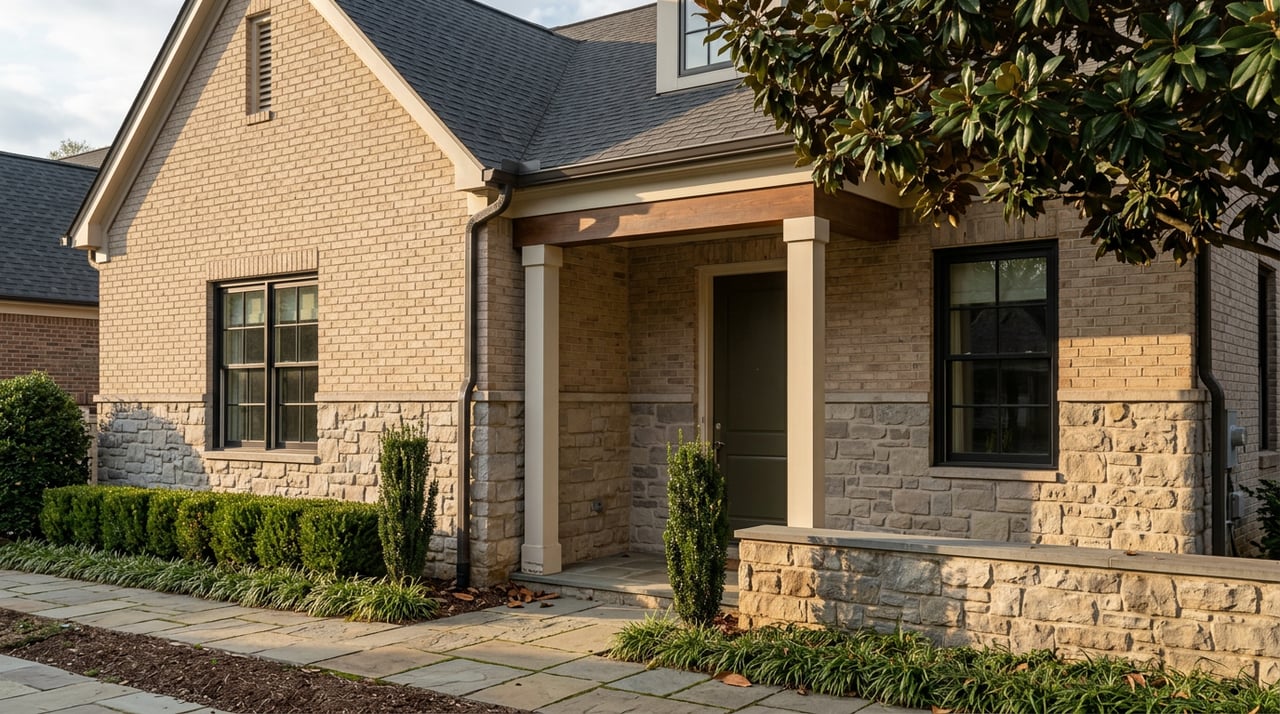
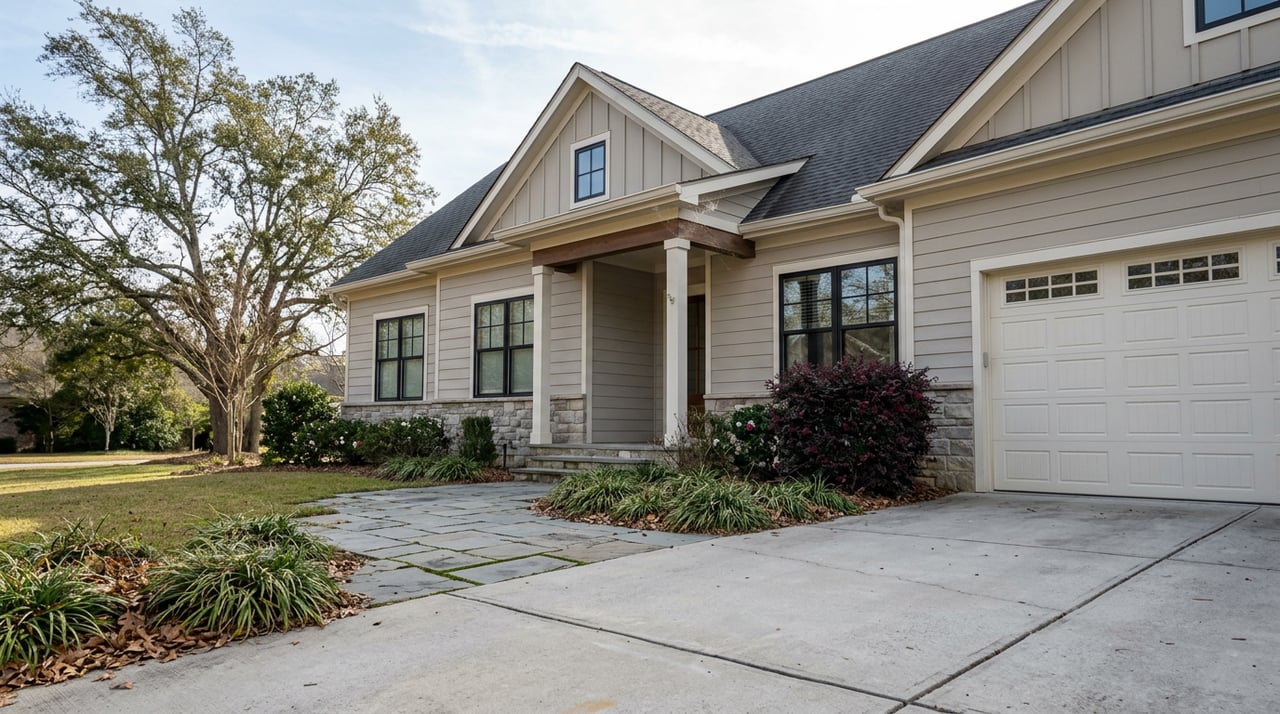
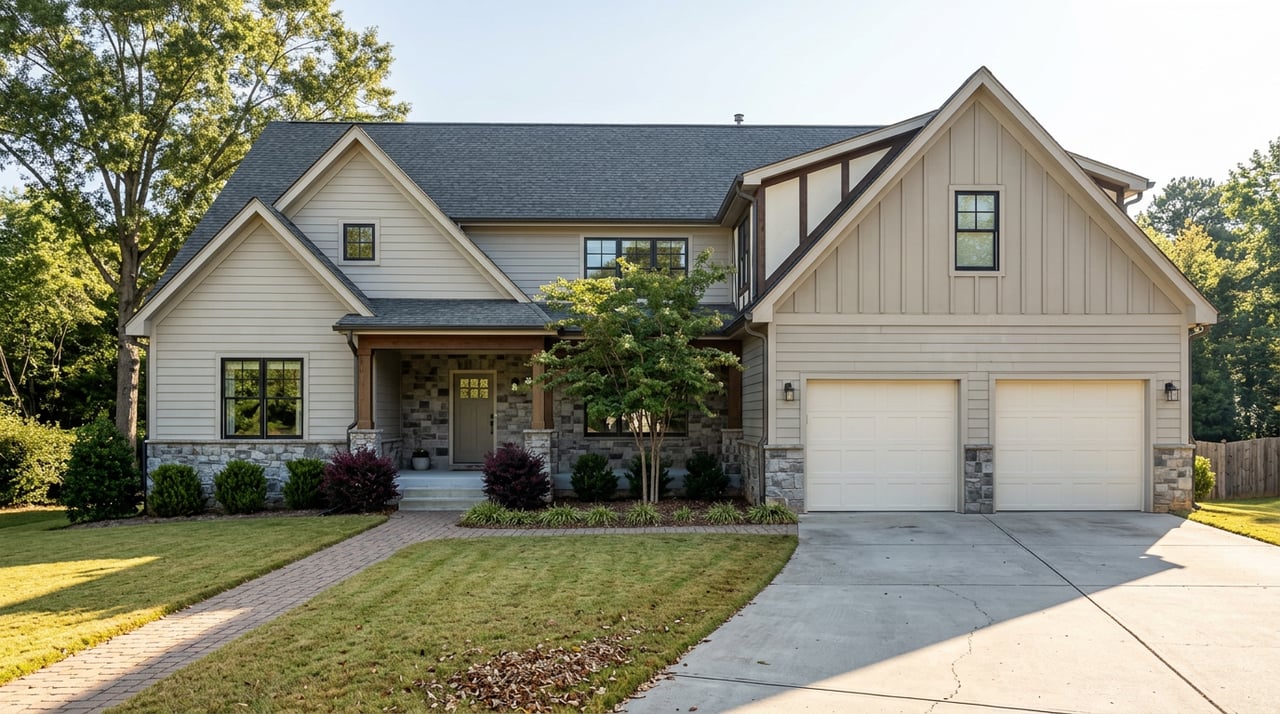
Eastern Marietta is mostly made up of New Traditional homes with brick exteriors and mature landscaping, along with updated older ranch and split-level homes and some condos and townhomes. East Cobb expands that mix further with ranch, split-level, Colonial Revival, Cape Cod, New Traditional, custom estate, condo, and townhouse options.
Lot size is one of the clearest differences. Current neighborhood data shows a median lot size of 12,196 square feet in Eastern Marietta and 16,117 square feet in East Cobb. That helps explain why many buyers look east when they want more room to spread out.
The east side also has strong access to parks and trails. East Cobb Park is a 13-acre park with walking trails, creek overlooks, grass areas, pavilions, and a playground, and the broader area includes Sope Creek trails, Cochran Shoals, Mabry Park, and other neighborhood parks.
From a daily routine standpoint, buyers here often use major roads like I-75, Highway 120, Roswell Road, and Johnson Ferry Road. CobbLinc serves parts of the area, and reported morning drive times into Atlanta can run about 30 to 45 minutes.
For move-up buyers, this area usually makes sense if you want more house, more yard, and strong access to retail and parks while staying connected to major roads and the larger Marietta market.
What stands out in eastern Marietta and East Cobb
- Larger median lot sizes than more central Marietta areas
- Broad mix of home types, from updated older homes to custom builds
- Mature landscaping and a more suburban setting
- Strong park and trail access
- Practical road connections for commuting and errands
Southwest Marietta and West Corridors
Southwest Marietta gives move-up buyers one of the broadest housing searches in the city. If you want to compare traditional single-family homes, townhomes, condos, and some larger-lot options without leaving the Marietta market, this is often where your search widens.
The housing stock here includes ranch, split-level, Colonial Revival, Cape Cod, custom estates, condos, and townhouses. Area descriptions also note quiet winding streets, mature trees, and some HOA-free pockets, which can appeal to buyers who want flexibility and variety.
From a location standpoint, Routes 360 and 120 connect this area to downtown Marietta and I-75. That makes it a practical option if you want broader housing choices while keeping access to major commuter corridors.
This side of town also keeps Marietta Square, Kennesaw Mountain, Truist Park, and The Battery within relatively easy reach. For many buyers, that creates a useful balance between suburban living and regional convenience.
Why southwest Marietta appeals to move-up buyers
- One of the widest mixes of housing types in Marietta
- Good search area for comparing price points and property styles
- Access to key commuter routes
- Convenient reach to major destinations and recreation
How to Compare Areas Faster
When you are moving up, it helps to compare areas based on your daily life instead of just square footage. A beautiful house can still feel like the wrong fit if the lot, layout, or location does not support the way you live.
Start with a short list of what matters most to you now that may not have mattered in your first home. That could include storage, yard size, home office space, proximity to downtown amenities, or easier access to parks and major roads.
Questions to ask yourself
- Do you want to be close to Marietta Square and downtown activity?
- Is a larger lot one of your top priorities?
- Would you prefer historic character or a more suburban setting?
- Do you want the flexibility to compare townhomes, condos, and detached homes in the same search?
- How important are trail access, parks, and everyday retail convenience?
Practical Notes Before You Buy
If you are considering a home in one of Marietta’s historic districts, review the rules early. Marietta has locally designated residential historic districts including Kennesaw Avenue, Church-Cherokee, and Forest Hills, along with the Downtown Marietta Historic District. Exterior changes, demolition, and new construction in these districts generally require a Certificate of Appropriateness.
Lot changes also require attention. The city states that a lot or parcel cannot be combined, subdivided, or have a boundary line revision without prior approval. If you are thinking long term about additions, rebuilding, or reworking a lot, that is worth understanding before you make an offer.
A Simple Way to Narrow Your Search
If you want the quickest way to simplify your move-up search, think of Marietta like this: the historic core near the Square is strongest for character and walkability, northwest Marietta gives you in-town variety, eastern Marietta and East Cobb tend to offer more house and yard, and southwest Marietta gives you one of the broadest mixes of housing types and commuter access.
That kind of area-by-area comparison can save you time, reduce second-guessing, and help you focus on homes that truly match your next chapter. When you know what each part of Marietta does best, your move-up decision gets much clearer.
If you are ready to compare homes in Marietta with a local expert who values clear communication and a smooth process, connect with Aretha Langley.
FAQs
What makes Marietta Square appealing for move-up buyers?
- Marietta Square appeals to move-up buyers who want historic character, a compact in-town setting, and convenient access to festivals, markets, restaurants, museums, theatres, and the Mountain-to-River Trail.
What should buyers know about northwest Marietta homes?
- Northwest Marietta offers a wide range of architectural styles and changing lot patterns, especially around Kennesaw Avenue and Whitlock, which can make it a strong choice if you want an in-town location with more variety.
How do eastern Marietta and East Cobb compare for lot size?
- Current neighborhood data in the research report shows a median lot size of 12,196 square feet in Eastern Marietta and 16,117 square feet in East Cobb, which is one reason buyers often look there for more outdoor space.
Why do move-up buyers consider southwest Marietta?
- Southwest Marietta is often considered because it offers one of the broadest mixes of housing types, including ranch homes, split-level homes, townhomes, condos, and some larger-lot properties, along with access to Routes 360 and 120.
What should buyers know about Marietta historic districts?
- Buyers should know that exterior changes, demolition, and new construction in Marietta’s locally designated historic districts generally require a Certificate of Appropriateness.
Can you combine or split lots in Marietta after purchase?
- Marietta says a lot or parcel cannot be combined, subdivided, or have a boundary line revision without prior approval, so buyers should review those rules early if future lot changes are part of the plan.