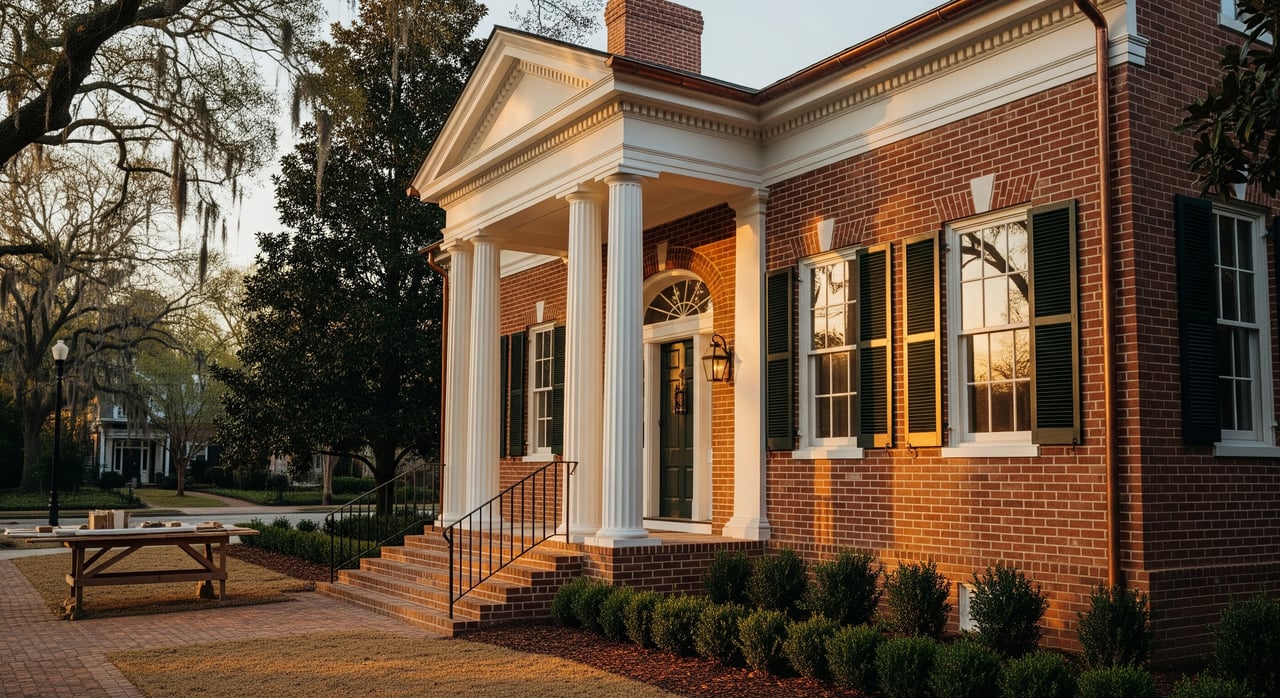
Renovating a historic Roswell home should be exciting, not exhausting. Yet many projects stall over missing forms, misclassified applications, or late city reviews. If you want to keep your timeline intact, you need a clear plan that fits Roswell’s Historic Preservation Commission process from day one. This guide walks you through what triggers approval, how to submit a complete package, typical timelines, and a step-by-step checklist so you can move from concept to construction without surprises. Let’s dive in.
What triggers approval in Roswell
If your property sits in Roswell’s Historic District, exterior work that creates a material change in appearance typically requires a Certificate of Appropriateness, or COA. The Roswell Historic Preservation Commission, or HPC, reviews COAs and meets monthly, with dates listed in the city’s application materials. You will start with Planning and Zoning intake, then route to other departments before the HPC can schedule your case. Review the city’s COA process and meeting calendar in the Historic Preservation Commission application packet and the Boards and Commissions page.
Choose the right review path
Roswell distinguishes between Administrative review, handled by staff for qualifying minor work, and Major review, heard by the HPC. Misclassifying your project can delay acceptance and force resubmittals. Orientation with Planning is required before submittal, and a pre-application meeting may be recommended. Confirm your classification and required materials with Planning using the HPC application packet and the Planning and Zoning page.
Build a complete submission
A complete packet is your best defense against delays. For Major applications, the city’s checklist typically calls for:
- Signed application and Letter of Intent
- Elevations with dimensions, labeled materials, and colors
- Site plan, landscape plan, and tree survey
- Topographic and grading plans, if applicable
- Stormwater concept for Engineering review
- Photo documentation of existing conditions
- Archaeology report if triggered by the Unified Development Code
- Material sample board, digital submittals, and fees
Use the city’s checklist as a literal packing list. The application will not be advertised or placed on an agenda until all departments complete their reviews. Find the full checklist, fees, and calendar in the HPC application packet.
Coordinate city reviews early
Engineering, Stormwater, and the City Arborist often drive schedule risk. Submit your stormwater concept and tree survey early so reviews can run alongside design work. Tree removal may require a Tree Removal Permit, especially for trees above certain diameters or specimen trees. If your scope includes grading or land disturbance, expect Engineering review and possibly a separate permit. Start coordination with the Engineering and Tree Permit resources as you prepare your COA.
Know timing, fees, and public notice
Budget and schedule for application fees, plus advertising and signage costs when required for Major COAs and demolitions. The city publishes meeting dates, but your case cannot be scheduled until all internal reviews clear. After your COA, most projects still need a building permit, and the city cites a typical maximum plan review of 10 business days for building permit applications. Review timing notes in the Community Development FAQs and fee details in the HPC application packet.
Typical timelines
- Administrative COA: about 2 to 6 weeks from orientation to staff sign-off, depending on completeness and interdepartmental reviews. Building permit review usually adds up to 10 business days.
- Major COA: expect 6 to 12 or more weeks after intake for interdepartmental review, scheduling, hearing, and any revisions, plus the time you need to prepare plans. Add building permit review after COA approval.
- Special conditions: archaeological study, floodplain or river corridor issues, or coordination with other agencies can add weeks or months.
Follow this step-by-step plan
- Confirm the property’s location and whether your scope triggers a COA for a material change in appearance. Start with the Boards and Commissions page and the HPC application packet.
- Book your required orientation with Planning and Zoning. In that meeting, confirm Administrative vs Major classification and get written guidance on submittals using the Planning and Zoning page.
- Order a site survey and tree survey. If grading or site work is planned, request a stormwater concept review through Engineering.
- Assemble a complete packet to the checklist, including elevations with material and color callouts, landscape plan, photos, stormwater concept, and any archaeology documents. Pay all application and advertising fees using the HPC application packet.
- Submit to Planning and Zoning, then track interdepartmental reviews. Ask staff about the likely HPC agenda date and required public notice steps.
- Prepare to present at the HPC. Bring sample materials and be ready for comments. After COA approval, apply for your building permit and any tree, grading, or right-of-way permits.
- If you plan to pursue historic rehabilitation tax credits, start the federal and state certification processes early. See the National Park Service guidance and the Georgia DCA program updates.
Avoid these common delays
- Incomplete materials: Use the city checklist and include labeled elevations, material samples, photos, tree survey, and stormwater concept. See the HPC application packet.
- No orientation or misclassification: Schedule orientation early and confirm Administrative vs Major in writing through Planning and Zoning.
- Late Engineering or tree comments: Engage Engineering at the same time as Planning to keep reviews parallel.
- Missed agenda deadlines or public notice windows: Ask staff about cut-off dates and advertising lead times found in the HPC application packet.
- Hearing revisions: Share draft plans with staff and consider neighbor outreach before the hearing. Bring clear, guideline-based rationale tied to the city’s standards. For background context, review the Historic District Master Plan.
- Surprise regulatory triggers: Check floodplain and river corridor constraints and whether your project touches other agencies. Coordinate early via the Community Development FAQs.
Considering tax credits
If your project is income producing, you may explore the federal 20 percent Historic Rehabilitation Tax Credit, which requires certification through the State Historic Preservation Office and the National Park Service before qualifying work begins. Georgia also offers state historic rehabilitation tax credits, with program updates that adjust eligibility and timing, including changes that affect some owner-occupied homes beginning in 2026. Plan these applications early, since they add separate timelines and documentation. Learn more from the National Park Service program overview and the Georgia DCA updates.
Final thoughts
With the right sequence, you can protect your timeline and your home’s historic character. Start with orientation, follow the city’s checklist, and run Planning, Engineering, and Arborist reviews in parallel. If you are buying or selling a Roswell home where renovation is part of your plan, align your real estate timeline with these approval steps so you can move confidently.
If you want local guidance on how permits and timelines may impact your purchase or sale strategy, connect with Aretha Langley for a clear, practical plan.
FAQs
Do Roswell Historic District renovations always need a COA?
- If exterior work creates a material change in appearance, a COA is typically required. Ordinary maintenance that does not change design or materials may not, but confirm with Planning using the city’s application guidance.
How long do Roswell COA approvals take?
- Administrative approvals often take a few weeks from orientation to sign-off, while Major reviews commonly take months when you include plan prep, interdepartmental review, scheduling, and any revisions.
Can I start construction before getting a Roswell COA?
- No. Starting regulated exterior work without required approvals risks enforcement and stop-work orders. Secure your COA and any permits before beginning work.
What city reviews commonly slow projects in Roswell?
- Engineering and Arborist reviews, stormwater and grading approvals, and tree permits can add time. Engage those reviewers early and submit complete concepts and surveys.
What fees and public notice steps should I expect?
- Major COAs and demolitions can include advertising and signage costs, in addition to application fees. Ask Planning for submission cut-offs and lead times shown in the city’s application packet.