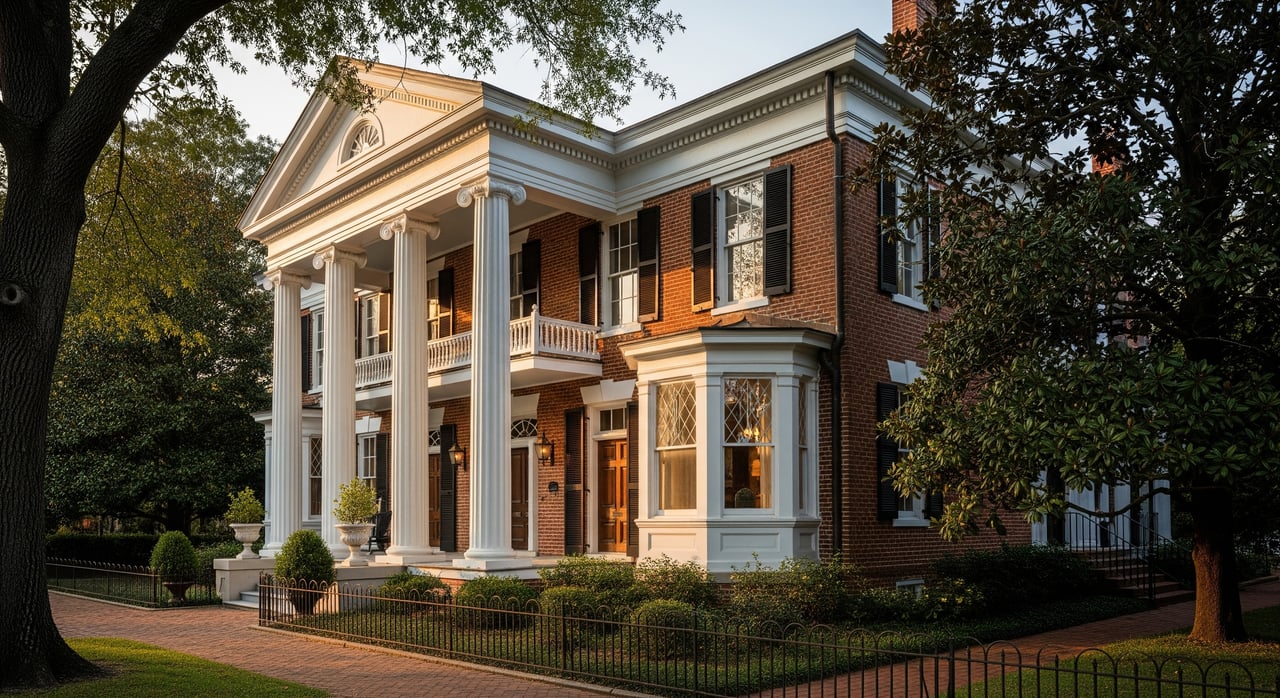
Love strolling past Roswell’s charming porches and columns and wondering what you’re looking at? If you’re drawn to the character of Roswell’s Historic District in Fulton County, you’re not alone. Understanding the home styles around you makes it easier to evaluate condition, plan updates, and buy or sell with confidence. This guide explains the most common local styles, what they mean for maintenance and renovations, and how historic rules affect your plans. Let’s dive in.
Why Roswell looks this way
Roswell’s historic core reflects growth from the early 1800s through the mid 1900s. You see early agrarian and antebellum houses, late 19th‑century Victorian design, and early 20th‑century Craftsman and Revival homes. Later infill blends in, creating a neighborhood where multiple eras sit side by side.
Historic districts like Roswell typically have local preservation oversight for exterior changes visible from the street. State and federal programs also give context to how restorations should be handled. Before taking action, you should verify a property’s designation status and current city requirements.
How to spot Roswell’s classic styles
Greek Revival
- Typical era: About 1825 to 1860.
- Visual cues: Symmetrical fronts, columned entry porticos, pedimented gables, and transom or sidelights at the main door.
- Materials: Wood clapboard or brick, tall windows, plaster interiors.
- Renovation notes: Preserve wood columns and clapboard; repair historic porches with care; manage drainage around older brick or stone foundations.
Federal or Early Republic
- Typical era: About 1780 to 1830.
- Visual cues: Simple, boxy façades, low‑pitched roofs, balanced windows, and fanlights over central doors with restrained details.
- Materials: Early timber framing and plain trim.
- Renovation notes: Use contractors familiar with older framing and finishes to avoid unnecessary replacement.
Victorian and Queen Anne
- Typical era: About 1880 to 1910.
- Visual cues: Asymmetrical façades, steep and complex roofs, turrets or bay windows, wraparound porches, and decorative shingles or spindlework.
- Materials: Wood siding with detailed millwork, brick chimneys.
- Renovation notes: Decorative trim often needs custom millwork; porches and complex roofs require regular upkeep.
Colonial Revival and other Revival styles
- Typical era: About 1890 to 1940.
- Visual cues: Symmetrical fronts, multi‑pane double‑hung windows, classical entries with columns, and brick or clapboard siding.
- Materials: Brick or wood with refined details.
- Renovation notes: Match historic window muntin patterns when replacing; use appropriate mortar for brick repointing.
Craftsman and Bungalow
- Typical era: About 1905 to 1930.
- Visual cues: Low‑pitched gabled roofs, wide eaves with exposed rafter tails, and tapered porch columns on stone or brick piers.
- Materials: Natural woodwork and built‑ins inside.
- Renovation notes: Preserve original wood windows and interior trim when possible; plan for insulation and mechanical upgrades.
Tudor Revival and eclectic 20th‑century styles
- Typical era: About 1920s to 1940s.
- Visual cues: Steep roofs, half‑timbering, tall narrow windows, and prominent chimneys.
- Materials: Masonry and stucco with wood trim.
- Renovation notes: Stucco and masonry repairs can be significant; ensure proper flashing at complex roof intersections.
Owning in a historic district
Historic districts typically require design review for exterior work that can be seen from the street. That can include siding, windows, porches, additions, and sometimes paint color. Interior changes are usually not regulated unless there is a special designation.
The approval process often includes a pre‑application conversation, submission of drawings or materials, a public review or administrative sign‑off, and a Certificate of Appropriateness before visible work begins. Timelines can range from weeks to months, so build this into your plan. Demolition controls may apply to significant structures.
If you are considering a project in Roswell’s Historic District, contact the City of Roswell planning or historic preservation staff early. Ask about your property’s designation, any prior approvals, and the current checklist for applications.
Smart renovation and maintenance tips
Historic homes thrive with proactive care. A little planning goes a long way.
- Start with drainage. Keep water away from older masonry and crawlspaces. Clean gutters and confirm downspouts discharge away from foundations.
- Plan system upgrades. Original electrical, plumbing, and HVAC often need updating to meet modern codes. Hire licensed pros who understand older structures.
- Handle historic materials carefully. Some older finishes may include lead‑based paint or asbestos. Use qualified abatement contractors when needed.
- Evaluate windows and doors. Original units are character features. Weatherstripping, storm windows, and targeted repairs can improve comfort while preserving look.
- Protect porches and roofs. These elements define curb appeal and need frequent inspection for wood rot, flashing issues, and paint maintenance.
Buyer checklist for Roswell’s Historic District
- Ask about designation. Confirm whether the home sits in a local district, has any preservation easements, or appears on state or national registers.
- Order a specialized inspection. In addition to a standard inspection, bring in specialists for foundations, roofs, historic windows, and paint testing where needed.
- Request documentation. Look for past permits, Certificates of Appropriateness, contractor invoices, and records of major system upgrades.
- Budget for ongoing care. Craftsman-level repairs and traditional materials can cost more. Build maintenance into your annual plan.
- Review financing options. Conventional loans are common. Renovation products like FHA 203(k) and Fannie Mae HomeStyle can help finance eligible repairs. Some lenders may ask for assurances that exterior work meets local preservation rules.
- Check insurance and flood risk. Verify flood zone status and discuss coverage tailored to historic materials and replacement costs.
Seller tips to showcase and comply
- Disclose and document. Share known issues and show permits and approvals for completed work. This builds buyer confidence.
- Handle the big items. Roof, structure, and moisture fixes come first. Preventive maintenance reduces inspection surprises.
- Feature the character. Highlight original woodwork, mantels, mouldings, and period details that buyers value in historic districts.
- Know your limits. Some exterior changes may require review. Confirm what you can do for curb appeal before painting or altering porches and windows.
Costs, incentives, and approvals
Plan for permitting and building codes on structural, electrical, or plumbing changes. Preservation review adds an approval layer for exterior, street‑visible work. Timelines can affect your schedule, so start early.
For income‑producing historic properties, a federal rehabilitation tax credit of 20 percent may apply to certified projects. Owner‑occupied single‑family homes are generally not eligible for that federal credit. State or local incentives can change, so check current programs through Georgia’s historic preservation offices and the City of Roswell before you budget.
How to start your search or sale
If you love Roswell’s Historic District, understanding style and stewardship will help you move forward with confidence. Whether you are hunting for a Greek Revival with a proud front porch or a cozy Craftsman with a deep eave line, make sure your plan fits the home’s era, its materials, and local rules.
When you are ready, lean on a responsive, results‑driven guide who understands metro Atlanta’s historic and suburban markets. Let’s review your goals, map out inspections and approvals, and build a step‑by‑step plan to buy or sell with clarity. Ready to talk next steps? Connect with Unknown Company to get your free home valuation.
FAQs
What is regulated in Roswell’s Historic District?
- Most exterior, street‑visible changes typically require review and a Certificate of Appropriateness; interior work is usually not regulated unless specially designated.
How do I confirm a home’s historic status in Roswell?
- Contact the City of Roswell’s planning or historic preservation staff to verify district boundaries, designation, and any prior approvals on the property.
Which inspections matter most for older homes?
- In addition to a general inspection, schedule specialists for foundations and drainage, roofs, historic windows, and testing for lead‑based paint where appropriate.
Are there tax credits for owner‑occupied historic homes?
- Federal credits generally apply to income‑producing properties; check state or local programs in Georgia for any current options for homeowners.
Can I replace historic windows with new units?
- Many districts regulate visible window changes; preservation‑minded repairs or approved replacements that match historic appearance are often expected.
How long does historic approval usually take?
- Reviews can take several weeks to a few months depending on submittals, meeting schedules, and project complexity, so plan timelines accordingly.