Thinking about a townhome in Smyrna but not sure what living there really looks like? You want walkable spots, easy commuting, and less upkeep without surprises after closing. In this guide, you’ll learn what Smyrna townhomes typically offer, how prices and HOA fees work, what to ask for in the resale packet, and how financing and insurance differ from detached homes. Let’s dive in.
Why Smyrna townhomes stand out
Smyrna sits in Cobb County just northwest of I‑285 with quick access to I‑75 and the Perimeter. You get a compact, lively core around Smyrna Market Village, nearby parks like Taylor‑Brawner Park, and the Silver Comet Trail for biking and walks. Townhomes thrive here because they deliver a lower‑maintenance, lock‑and‑leave lifestyle near retail and major corridors.
Many developments cluster near the Market Village and along infill corridors that connect to Vinings and Cumberland. That location gives you everyday convenience, shorter drives to work and events, and close access to trails and dining.
What you’ll find in Smyrna townhomes
Layouts and size
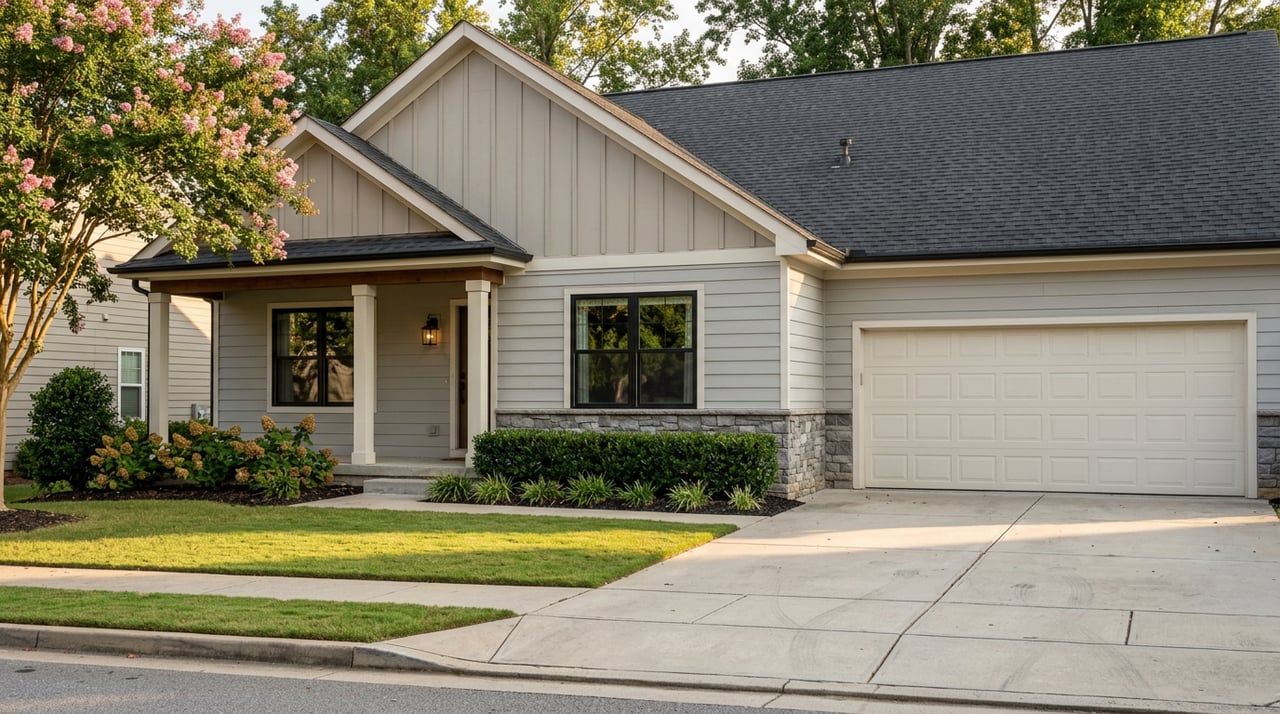
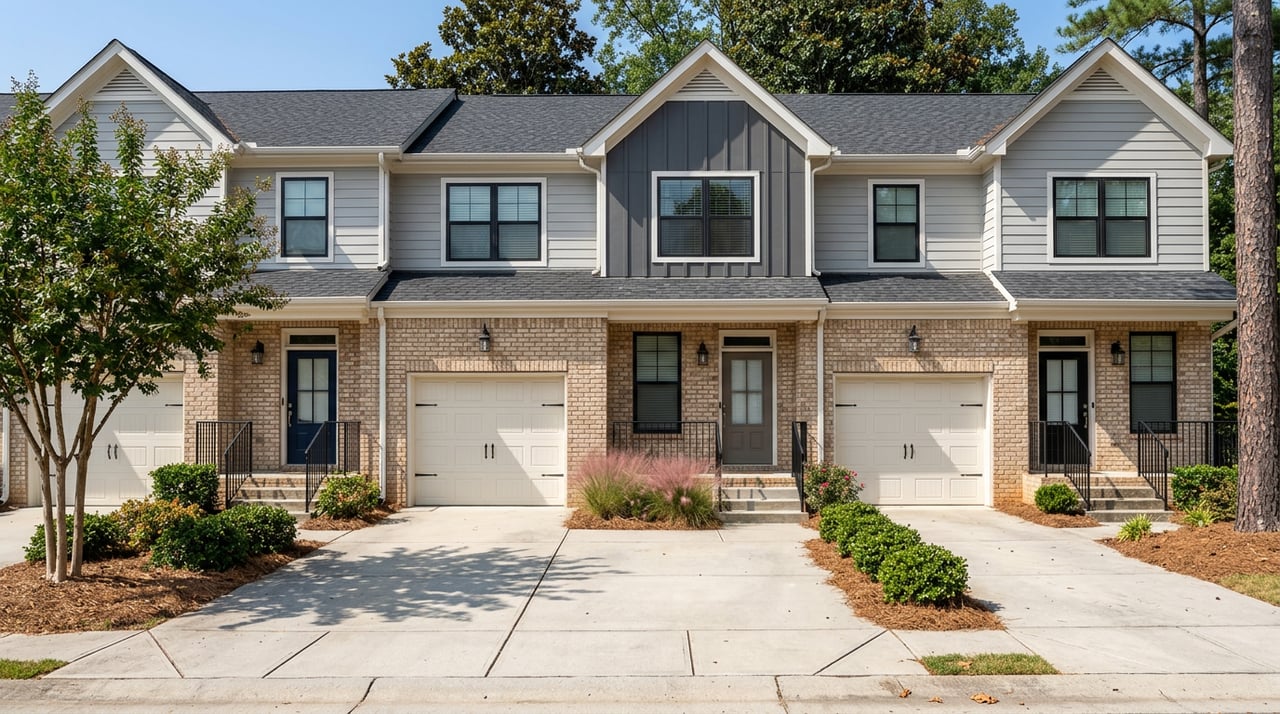
Most Smyrna townhomes are 2 to 3 stories and “vertical” in layout. You’ll often see a ground‑level garage, an open main living level with kitchen and great room, and bedrooms on the upper floor. Typical sizes range from roughly 1,600 to more than 3,300 square feet with 2 to 4 bedrooms. Many newer builds lean toward three stories, tall ceilings, and flexible bonus spaces.
Parking and streets
A large share of communities include 1 or 2‑car garages with a driveway. Guest spaces are common but can be limited in smaller or gated pockets. Some neighborhoods use private streets under HOA control, which means the association sets and enforces rules for guest parking, time limits, and towing. Others are on public streets with city enforcement. Always confirm whether streets are private or public and ask for the written parking policy before you make an offer.
Community amenities
You’ll see a mix of pools, clubhouses, small parks, dog runs, and walking paths, with many communities a short hop to larger public amenities like the Silver Comet Trail. Larger or gated developments may add fitness rooms and saltwater pools. Amenity lists vary by neighborhood, so verify what is included in the HOA and what you might pay for separately.
Prices and HOA fees to expect
Smyrna’s market sits in a middle price band compared to some intown Atlanta options. Public trackers in late 2025 and January 2026 show the area’s overall median sale price in the mid‑$400,000s, roughly around 440,000 to 458,000 dollars at that time. Exact prices shift month to month and by community finish level.
Entry‑level and luxury examples
If you are value‑hunting, older or smaller attached units and condos in Smyrna can list in the low‑to‑mid $200,000s to $300,000s, depending on location and condition. Recently built or luxury townhomes commonly fall in the $400,000 to $700,000 range, and high‑end new construction can exceed $700,000 in select pockets close to retail and Truist Park. Your final price will reflect age, square footage, upgrades, garage count, and proximity to walkable hubs.
HOA fees and what they cover
HOA dues in Smyrna townhome communities often land in the low‑to‑mid hundreds per month. For example, representative communities like Sutton Park, Towns at Breton Ridge, or Mosaic at Vinings show fees in that general band, while boutique or amenity‑heavy projects can run higher. Coverage varies by development, so review the governing documents and current budget to confirm what’s included.
Common inclusions: exterior building maintenance in some communities, roof or common‑area repairs, landscaping and irrigation for shared areas, pool or clubhouse upkeep, trash service, and sometimes water and sewer. Dues also pay for management, common area utilities, and insurance on shared elements. They do not cover your personal contents or interior finishes. If the HOA signals near‑term capital work without enough in reserves, you could see special assessments.
Understanding HOAs and Georgia rules
Attached living comes with an association. In Georgia, condominiums are governed by the Georgia Condominium Act (O.C.G.A. §44‑3‑70 et seq.), and many property owner associations operate under the Georgia Property Owners’ Association Act (O.C.G.A. §44‑3‑220 et seq.) or as common‑law associations. These frameworks affect disclosures, enforcement, and lien procedures. You can review the Condominium Act’s structure and definitions in the statute text for context. Read the Georgia Condominium Act overview.
Typical HOA responsibilities
In many Smyrna townhome communities, the HOA handles common‑area landscaping, amenities, and shared utilities. Depending on how the community is structured, the association may also manage exterior building maintenance, roofing, and structural repairs. Some explicitly include trash and water or sewer. Coverage is not standard across developments, so treat the governing documents, insurance declarations, and line‑item budget as your source of truth.
What HOA dues do not cover
Your HOA dues generally do not cover your personal property or liability inside your home. Condo owners typically purchase an HO‑6 policy for interior finishes and contents, while fee‑simple townhome owners may need a homeowners policy that covers exterior elements unless the master policy is “all‑in.” The association’s master policy can be “bare walls” or “walls‑in,” and that choice drives what you must insure yourself. Review the master policy declarations to know exactly where your coverage starts and stops. See a plain‑English overview of condo coverages.
Reserves, assessments, and liens
Associations fund operations and save for big projects through reserves. If reserves are low and major work is pending, boards may levy special assessments. Georgia associations can place liens and use specific enforcement processes if dues go unpaid. As a buyer, ask for the reserve balance, any reserve study, recent or planned special assessments, and the current delinquency rate. Red flags here can change your monthly cost and risk profile. Learn how Georgia HOAs handle foreclosures and liens.
The resale packet you should request
Before you bind yourself to the purchase, request the full resale packet or estoppel certificate. It should include the declaration or CC&Rs, bylaws, rules and regulations, the current budget and financials, any reserve study, insurance declarations or master policy, meeting minutes from the past year, disclosures about pending litigation, and a statement of amounts owed for the unit. These documents reveal how the association operates and whether any major projects or disputes are on the horizon. Here’s a helpful breakdown of HOA resale documents.
Timing and fees in Georgia
In Georgia, associations often charge a fee to prepare an estoppel or resale statement. Industry guidance shows these fees commonly fall in the low‑hundreds, often around 100 to 450 dollars depending on scope. Recent Georgia legislative changes set expectations for timing on statements of amounts due. Confirm in your contract who orders the packet and who pays the fee, since practices vary by community and management company. Read the state guidance that shaped estoppel timing.
Red flags to watch for
Be cautious if you see very low reserves, repeated special assessments, ongoing litigation, high delinquency, or rules that conflict with your needs like rental caps if you plan to rent in the future. If any appear, talk with your agent about negotiating strategies, seller contributions, or specific contingencies. See common HOA due‑diligence pitfalls.
Financing and insurance basics
Townhome vs condo financing
Townhomes sold fee‑simple, where you own the land under your unit, are often underwritten like single‑family homes. Conventional financing is usually straightforward. Condominiums are different because lenders evaluate the building or project as a whole. FHA, Fannie Mae, and Freddie Mac have project eligibility rules that can affect loan types and down payments. FHA may allow Single‑Unit Approval in some cases, but status still matters for buyers using FHA or VA loans. If a building is considered non‑warrantable for conventional loans, expect fewer options or higher down payments. Work with your lender early to understand your path. Review HUD’s condo project approval and single‑unit approval.
Getting insurance right
If you are buying a condo, you will likely need an HO‑6 policy that covers your interior finishes, improvements, personal property, and liability. If you are buying a townhome, your policy type depends on what the master policy insures. Some associations insure the building exterior and roof, while others stop at the bare walls. Your coverage should complement, not duplicate, the association’s policy. Ask the HOA or manager for the master policy declarations and a certificate of insurance so your agent can tailor your policy. This overview explains what HO‑6 policies typically cover.
Parking rules and everyday life
Parking is a quality‑of‑life issue in attached communities. Some Smyrna neighborhoods allow limited on‑street parking, others restrict overnight parking, and many enforce guest‑parking time limits on private streets for safety and fire access. Always read the parking section of the rules and check recent board minutes for enforcement patterns. For example, community guidelines like those published by established neighborhoods show how time limits and towing policies may work in practice. See a sample community parking policy for context.
Townhomes vs detached homes in Smyrna
Townhome pros
- Lower routine maintenance compared to most detached homes
- Walkable, infill locations with quick access to dining, parks, and trails
- Often a lower price than a similarly sized detached home in the same submarket
- Shared amenities like pools and clubhouses
Townhome trade‑offs
- Monthly HOA fees and community rules
- Less private outdoor space and shared walls
- Limits on exterior personalization and architectural changes
Your choice comes down to lifestyle. If you value convenience and low maintenance near Smyrna’s core, a townhome can be a smart fit. If a big yard and maximum flexibility top your list, a detached home may suit you better.
Buyer checklist for Smyrna townhomes
Use this list to stay organized and protect your budget during due diligence.
Ask for these documents early
- Full resale or estoppel package with CC&Rs, bylaws, rules, current budget and financials, any reserve study, insurance declarations or master policy, and meeting minutes from the past 12 months. What to request in a resale packet
- Current year budget and last 2–3 years of financials, plus any reserve study or written statement that none exists. Why these docs matter
- Certificate of insurance and master policy declarations for the association. How to read coverage basics
- Notices of pending litigation or special assessments and board minutes for the last 12–24 months. Common red flags
Key questions for the HOA or manager
- Exactly what do HOA dues cover, including utilities, trash, water, exterior, roof, and street maintenance?
- What is the current reserve balance and when was the last reserve study? Any capital projects planned in 1–5 years?
- Any pending or planned special assessments or recent ones in the last 5 years? What were they for? How resale documents flag assessments
- Any pending or threatened litigation involving the association? How long has it been active? Why litigation matters
- What are the parking rules for guests, overnight parking, and street parking? Who enforces them? Sample parking policy context
- How is exterior maintenance allocated between owner and HOA, including roof, gutters, siding, and windows? See what to look for
- Are rentals permitted and are there caps, waitlists, or short‑term rental restrictions? Why rules matter
- Who manages the association and what is the management contract term? Management red flags
- If it is a condominium, is the project eligible for FHA/VA or Fannie/Freddie conventional financing? Can your lender pursue single‑unit approval if needed? HUD’s condo approval guidance
Smart contract protections
- Include a specific HOA document review contingency with a clear review window. Protect your due diligence
- Make your purchase contingent on financing availability if the building is a condominium with unknown project status. Understand FHA condo rules
- Ask the seller for copies of recent assessment notices and records of any special assessments. What to request
Buying a townhome in Smyrna can be a great move if you want less upkeep and strong access to the places you enjoy. With a clear plan for HOA due diligence, financing, and insurance, you can step into a home that fits your lifestyle and budget.
If you want a local pro to help you compare communities, read HOA documents, and coordinate lenders and inspections, connect with Aretha Langley. You will get responsive guidance and a smooth, well‑managed purchase from offer to close.
FAQs
What is the typical price for Smyrna homes in early 2026?
- Public trackers in late 2025 and January 2026 placed Smyrna’s overall median around the mid‑$400,000s, roughly 440,000 to 458,000 dollars.
How much are HOA fees for Smyrna townhomes?
- Many communities charge in the low‑to‑mid hundreds per month, with boutique or amenity‑heavy developments potentially higher.
What do HOA dues usually cover in Smyrna townhome communities?
- Often common‑area landscaping, amenities, management, and insurance for shared elements, with some covering exterior upkeep, trash, and occasionally water or sewer.
Are Smyrna condos eligible for FHA loans?
- It depends on the project’s eligibility or whether your lender can use FHA’s Single‑Unit Approval; ask your lender to check early using HUD guidance.
What parking rules should I expect in Smyrna townhome neighborhoods?
- Expect garage and driveway parking with guest‑parking limits; private streets often have specific time limits or towing policies, so read the rules.
What documents should I review before buying a Smyrna townhome?
- Request the resale packet, CC&Rs, rules, current budget and financials, any reserve study, insurance declarations, recent minutes, and any litigation or assessment notices.