Wondering whether Atlanta’s Westside or the suburbs will fit your life better? If you are relocating, this choice can shape your commute, your weekends, your home style, and even how much driving you do every day. The good news is that each option offers a clear set of advantages, and once you know what matters most to you, the decision gets much easier. Let’s dive in.
Westside vs. suburbs at a glance
In this comparison, “Westside” means intown westside neighborhoods like West End, Adair Park, Castleberry Hill, Vine City, English Avenue, and Ashview Heights. These areas sit closer to downtown Atlanta and connect to major city amenities through the Atlanta BeltLine’s Westside and Southwest trails, including 6.7 continuous miles on the Westside Trail from University Avenue to Huff Road.
The suburban side of this decision includes nearby Cobb County locations like Smyrna, Marietta, and Powder Springs. These areas generally offer a more car-oriented routine, more yard space, and a different pace than intown neighborhoods. That difference is often the starting point for figuring out where you will feel most at home.
Start with your daily routine
The biggest difference between Atlanta’s Westside and the suburbs is often how you move through the day. If you want to rely less on your car and more on rail, bus, walking, or biking, the Westside stands out quickly.
West End and Vine City both have MARTA rail service, and West End Station connects to multiple bus routes. The Southwest Trail is also only blocks from West End MARTA Station, which gives many Westside residents more flexibility for getting around without driving everywhere.
By contrast, Smyrna, Marietta, and Powder Springs are more highway-centered. You can still find transit options, but your everyday life is more likely to involve driving first and using transit as a secondary tool.
Westside mobility
If being close to downtown matters, Westside neighborhoods often make that easier. You have access to MARTA rail, bus routes, BeltLine trails, and a more connected street grid in parts of the area.
That does not mean every errand becomes walkable, but it does mean your transportation choices are broader. For many relocators, that can be a major quality-of-life benefit.
Smyrna commute feel
Smyrna is positioned near I-75, I-20, and I-285, and CobbLinc provides local transit connections to MARTA’s rail network. The city’s recent Census mean travel time to work is 29.8 minutes.
In practical terms, Smyrna often feels like the middle ground. You get suburban convenience with strong highway access, plus transit connections that can help in the right location.
Marietta commute feel
Marietta is about 15 miles northwest of Atlanta and has access through I-75, U.S. Highway 41, and state routes. CobbLinc routes serve Marietta Square, and Route 10 connects Marietta to MARTA’s Arts Center Station.
Its recent Census mean travel time to work is 27.5 minutes. That can make Marietta appealing if you want a suburban setting that still has a more structured commuter setup than many outer-ring locations.
Powder Springs commute feel
Powder Springs sits farther out, about 25 miles northwest of Atlanta. The city’s recent Census mean travel time to work is 33.3 minutes, the longest in this group.
CobbLinc Go provides on-demand microtransit in South Cobb, including Powder Springs, but this is still the most car-dependent option in the comparison. If you choose Powder Springs, it usually makes sense because you value space, trails, or price point more than a shorter trip into Atlanta.
Compare home styles and neighborhood feel
Where you live is not just about distance. It is also about what kind of home you want and how you want your surroundings to feel day to day.
The Westside and the suburbs offer very different housing experiences. That difference becomes especially important if you care about architecture, renovation needs, lot size, or maintenance.
Westside homes feel older and more historic
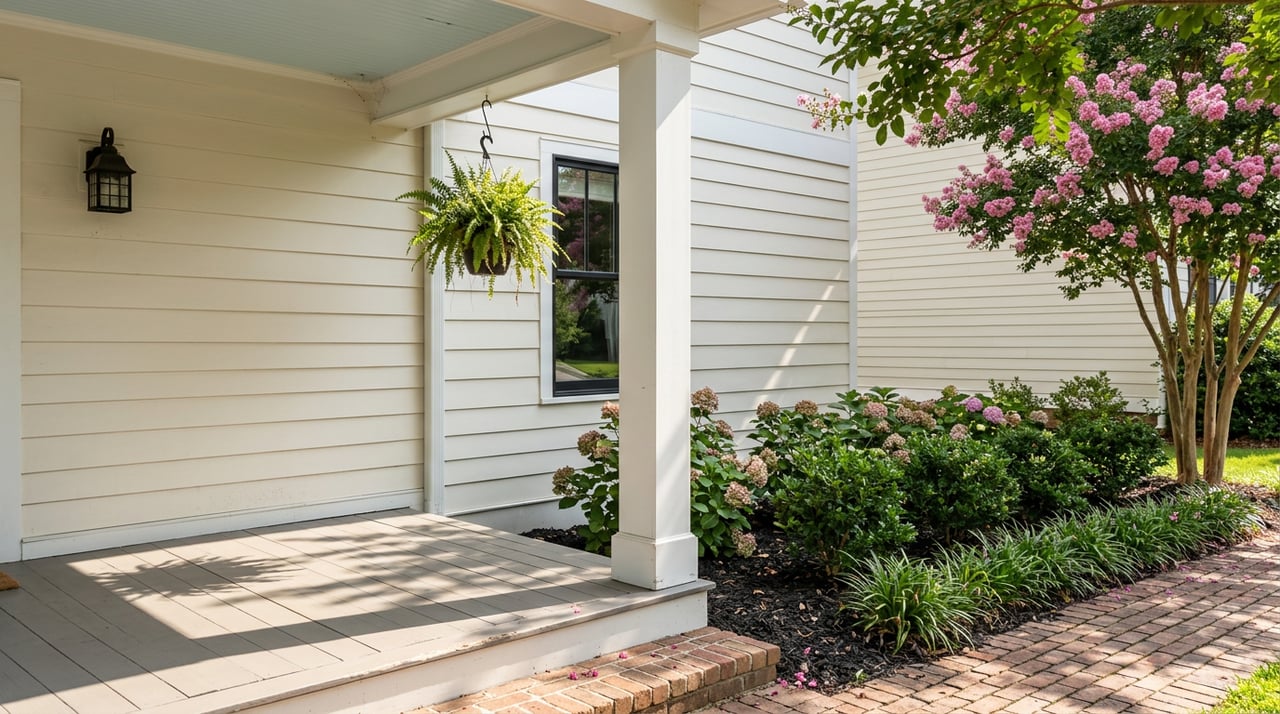
Westside housing is shaped by historic districts and older architecture. In West End, official documentation highlights Queen Anne cottages, Victorian “L” houses, New South Cottages, and bungalows. Adair Park is known for many Craftsman bungalow styles, along with Folk Victorian and Tudor Revival examples.
For you, that often translates to older homes, smaller lots, and more renovation potential. If you love character and do not mind the realities of older housing, this can be a strong draw.
Smyrna offers a true mix
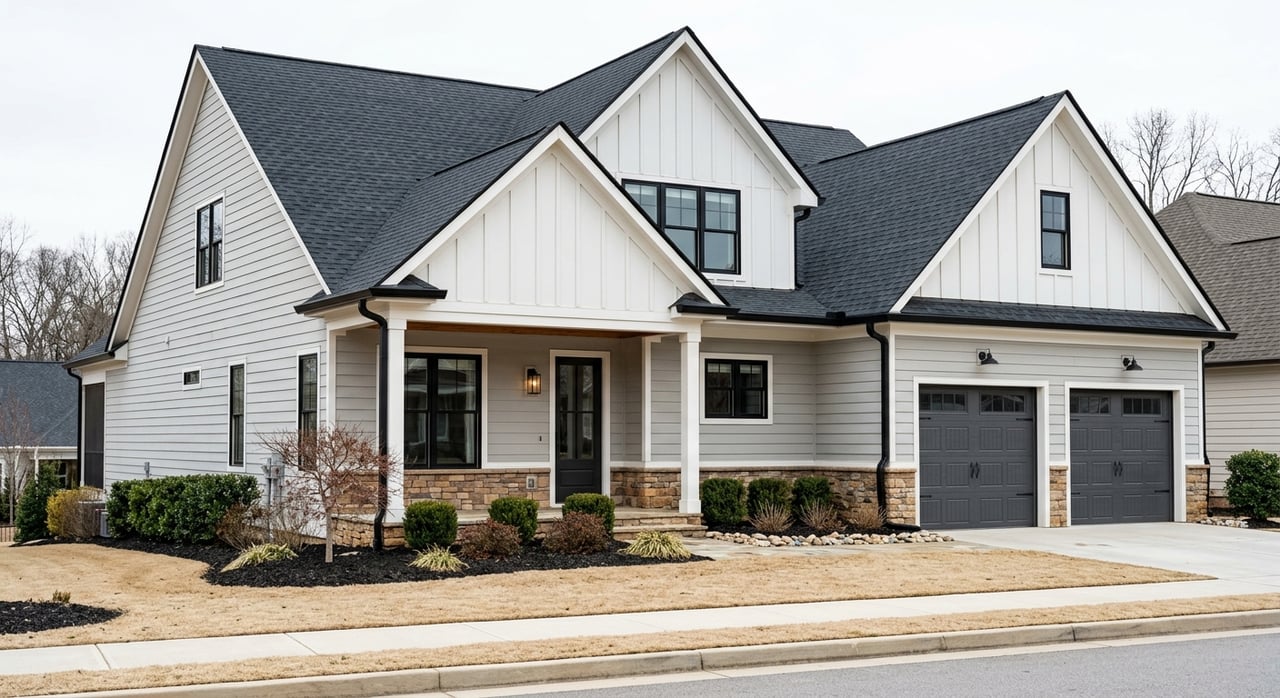
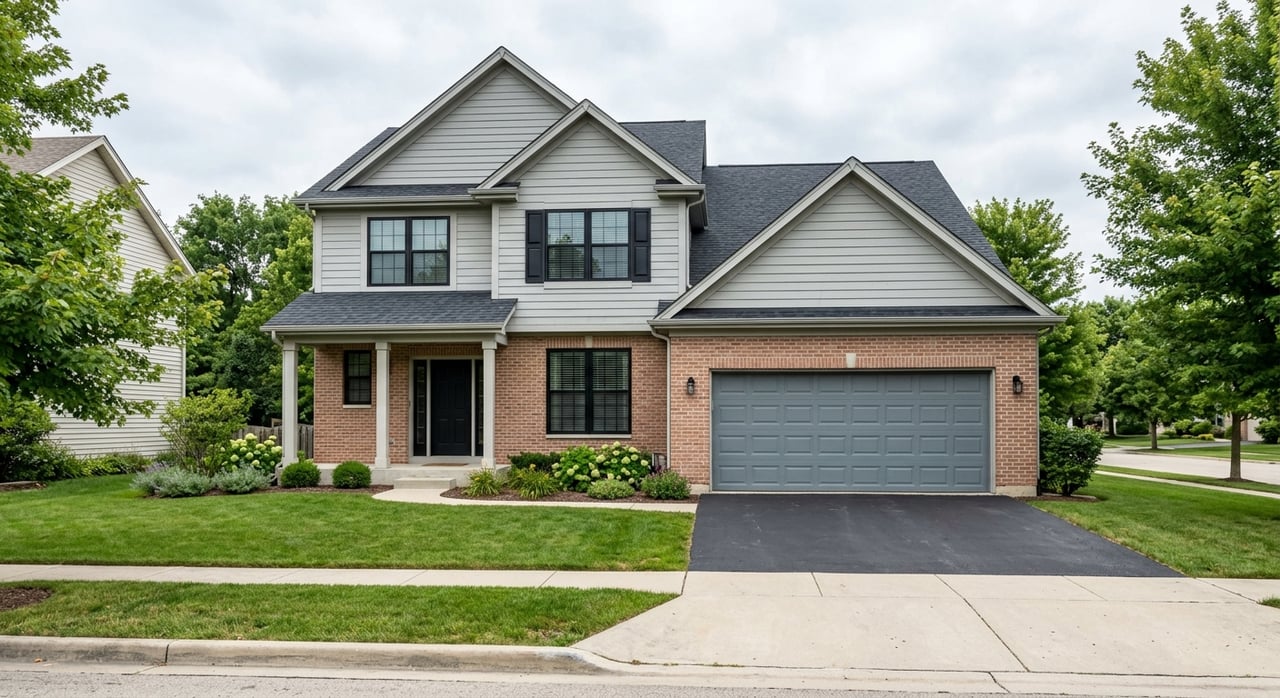
Smyrna blends older neighborhoods with newer infill and larger-home communities. The city highlights areas with Craftsman and Victorian homes, mid-century character, traditional brick ranches, and larger homesites in some neighborhoods.
That makes Smyrna appealing if you want choices. You can often find a setting that feels more established, more updated, or more suburban depending on your priorities.
Marietta has broad variety
Marietta offers one of the widest housing mixes in this comparison. The city has multiple historic districts, and Marietta Square serves as a civic and cultural center with restaurants, museums, concerts, festivals, and parking.
Official city descriptions also note areas with a mix of business, industrial, and residential uses, including single-family homes and apartment complexes. If you want a suburban location that still feels like a full city, Marietta often delivers that balance.
Powder Springs leans more suburban
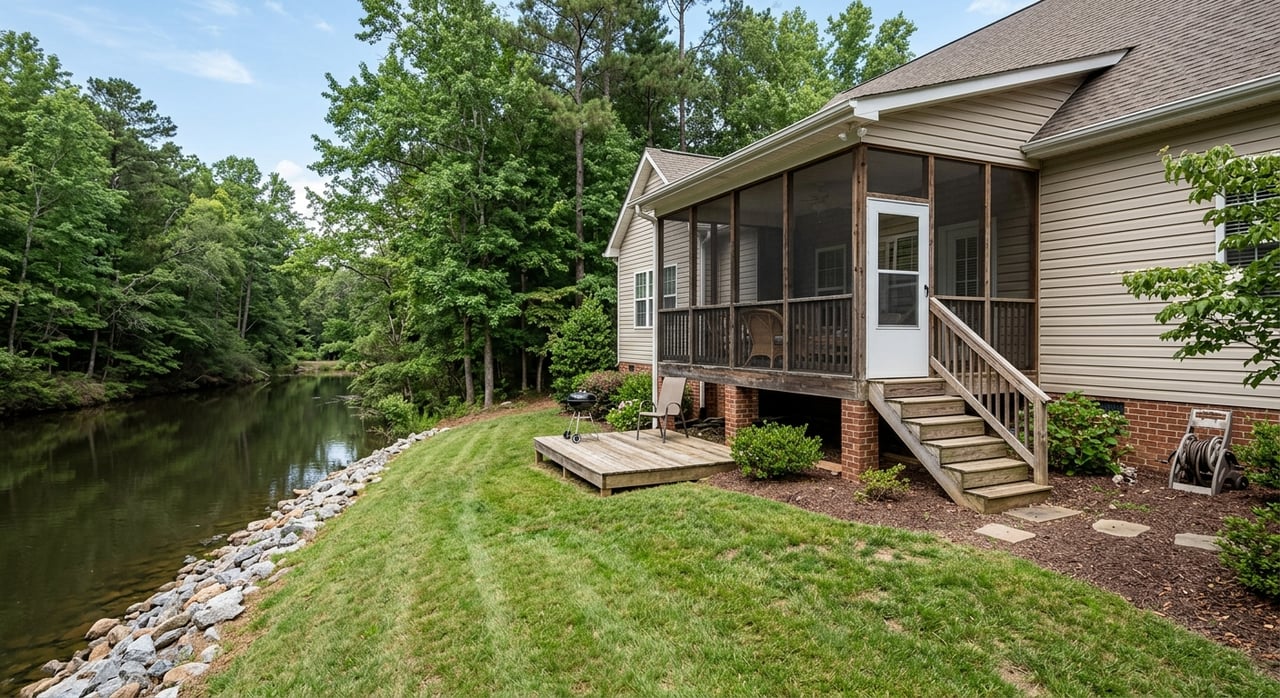
Powder Springs has a historic downtown core, but overall it reads more suburban and detached-home oriented. The city describes Historic Downtown Powder Springs as a community hub with shops, events, trails, Towne Square, and connections to the Silver Comet Trail.
Its planning materials emphasize compatibility with nearby historic structures, and its owner-occupied housing rate is 82.4%. For many buyers, Powder Springs feels like the option that offers a slower pace and more traditional suburban living.
Look at pricing in context
Price always matters, but it helps to compare the overall market feel, not just one listing against another. Recent Census QuickFacts show median owner-occupied housing values of about $439,600 in Atlanta, $449,500 in Smyrna, $448,500 in Marietta, and $332,900 in Powder Springs.
These figures are not the same as active listing prices, but they are useful for understanding the general landscape. In this comparison, Smyrna and Marietta track fairly close to Atlanta’s citywide value range, while Powder Springs comes in noticeably lower.
That does not make one area better than another. It simply means your budget may stretch differently depending on where you focus your search.
Match the area to your lifestyle
Once you narrow the logistics, the next step is deciding what you want your everyday life to feel like. This is where many relocators get clarity.
Choose Westside for urban texture
The Westside often fits best if you want historic architecture, BeltLine access, and closer-in living. It is the most urban option in this group, and the strongest choice if walkability and transit matter a lot to you.
The tradeoff is that many blocks are still in active transformation. Revitalization is ongoing, and many homes may need more updating than suburban alternatives.
Choose Smyrna for balance
Smyrna is a strong match if you want a practical middle ground. It offers suburban convenience, strong road access, and a mix of neighborhood styles that can appeal to many types of buyers.
If you want a location that feels connected to Atlanta without being fully intown, Smyrna is often one of the easiest places to start. It gives you flexibility without pushing too far in either direction.
Choose Marietta for an established city feel
Marietta tends to fit buyers who want a place with a stronger city identity, a historic square, and broad housing variety. It can feel more layered and established than a typical suburb.
The main thing to remember is that Marietta varies a lot by address. Your experience may look very different depending on whether you want to be near the Square, near a commuter route, or in a quieter residential pocket.
Choose Powder Springs for space and slower pace
Powder Springs makes sense if you want more space, trail access, community events, and a quieter rhythm. It is also the most affordable market on a median-value basis among the areas in this comparison.
The tradeoff is straightforward. In most cases, more space and a slower pace also mean more driving and a longer commute.
Questions to ask before you decide
If you are still torn, these questions usually help separate the best fit from the almost-right fit:
- How much driving are you comfortable with each week?
- Do you want access to MARTA or the BeltLine to be part of daily life?
- Would you rather have an older home with character or a newer home with less maintenance?
- How important are lot size, storage, and parking?
- Do you care more about walkable destinations or more square footage for the budget?
- Do you want a more urban setting, a balanced suburb, or a slower suburban pace?
If school zoning is part of your move, verify the exact address early. Marietta City Schools directs residents to use the city’s property search tool to confirm school zones, and Cobb County School District serves a large countywide area, so a city name alone is not enough to determine assignment.
A simple way to decide
If you want the simplest summary, think of the choices this way: Westside is the most urban, Smyrna is the most balanced, Marietta is the most established, and Powder Springs is the most suburban.
That does not mean one is the best choice for everyone. It means the right fit depends on what you want most from your move, whether that is walkability, commute ease, historic character, yard space, or budget flexibility.
If you are planning a move and want help comparing neighborhoods, commute tradeoffs, and home options in west and northwest metro Atlanta, Aretha Langley can help you make a clear, confident decision.
FAQs
What does Atlanta’s Westside mean for relocation?
- In this comparison, Atlanta’s Westside refers to intown neighborhoods such as West End, Adair Park, Castleberry Hill, Vine City, English Avenue, and Ashview Heights, which are closer to downtown and connected by BeltLine trails and, in some areas, MARTA rail.
Is Atlanta’s Westside or Smyrna better for commuting?
- It depends on how you commute. Westside neighborhoods offer stronger rail, bus, walking, and biking options, while Smyrna is more highway-focused with transit connections available through CobbLinc.
How does Marietta compare to Smyrna for relocation?
- Marietta often appeals to buyers who want an established city feel, a historic square, and broad housing variety, while Smyrna is typically the more balanced middle-ground choice between intown access and suburban convenience.
Is Powder Springs more affordable than Atlanta, Smyrna, or Marietta?
- Based on recent Census QuickFacts median owner-occupied housing values, Powder Springs is lower at about $332,900, compared with about $439,600 in Atlanta, $449,500 in Smyrna, and $448,500 in Marietta.
What kind of homes can you expect on Atlanta’s Westside?
- Westside neighborhoods are known for older housing stock and historic architectural styles, including bungalows, Queen Anne cottages, Victorian homes, and Craftsman designs, often with more renovation potential than suburban homes.
How do you verify school zones in Marietta or Cobb County?
- School assignment should be checked by exact property address. Marietta City Schools directs residents to use its property search tool, and Cobb County school service areas should also be verified rather than assumed from the city name alone.